 1 Day
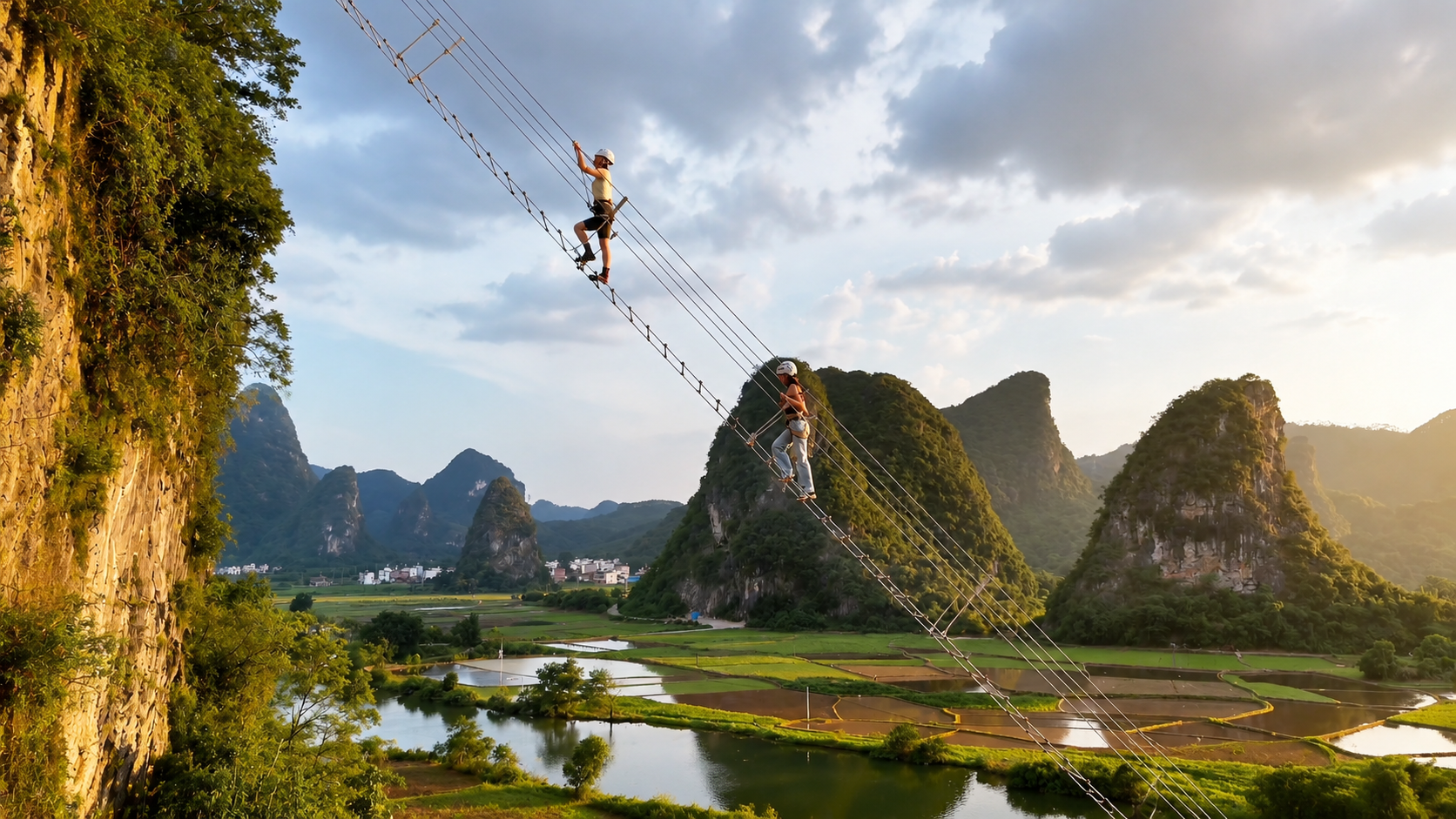
1 DayYangshuo Cycling & Via Ferrata Day Tour
From$109

Yangshuo is China's most dreamlike place. Thousands of karst peaks rise from green rice fields, just like in a classic Chinese painting. Climb Xianggong Mountain before sunrise. Watch golden light spill over the first bend of the Li River. Mist curls between stone towers and bamboo groves. Float down the Yulong River on a bamboo raft. Glide past water buffalo and farmers working in their fields. Ride a bike through country lanes. Every turn brings another view worth a postcard.
What makes Yangshuo special is its calm, small-town feel. Climbers, artists, and backpackers have come here for decades. West Street buzzes at night with live music and street food. Nearby villages serve beer fish and Guilin noodles from family kitchens. The area is also one of Asia's top rock-climbing spots, with hundreds of routes on the karst cliffs. Two to three days is the perfect length. You will have enough time for river hikes, cycling, and slow evenings watching peaks fade into dusk.
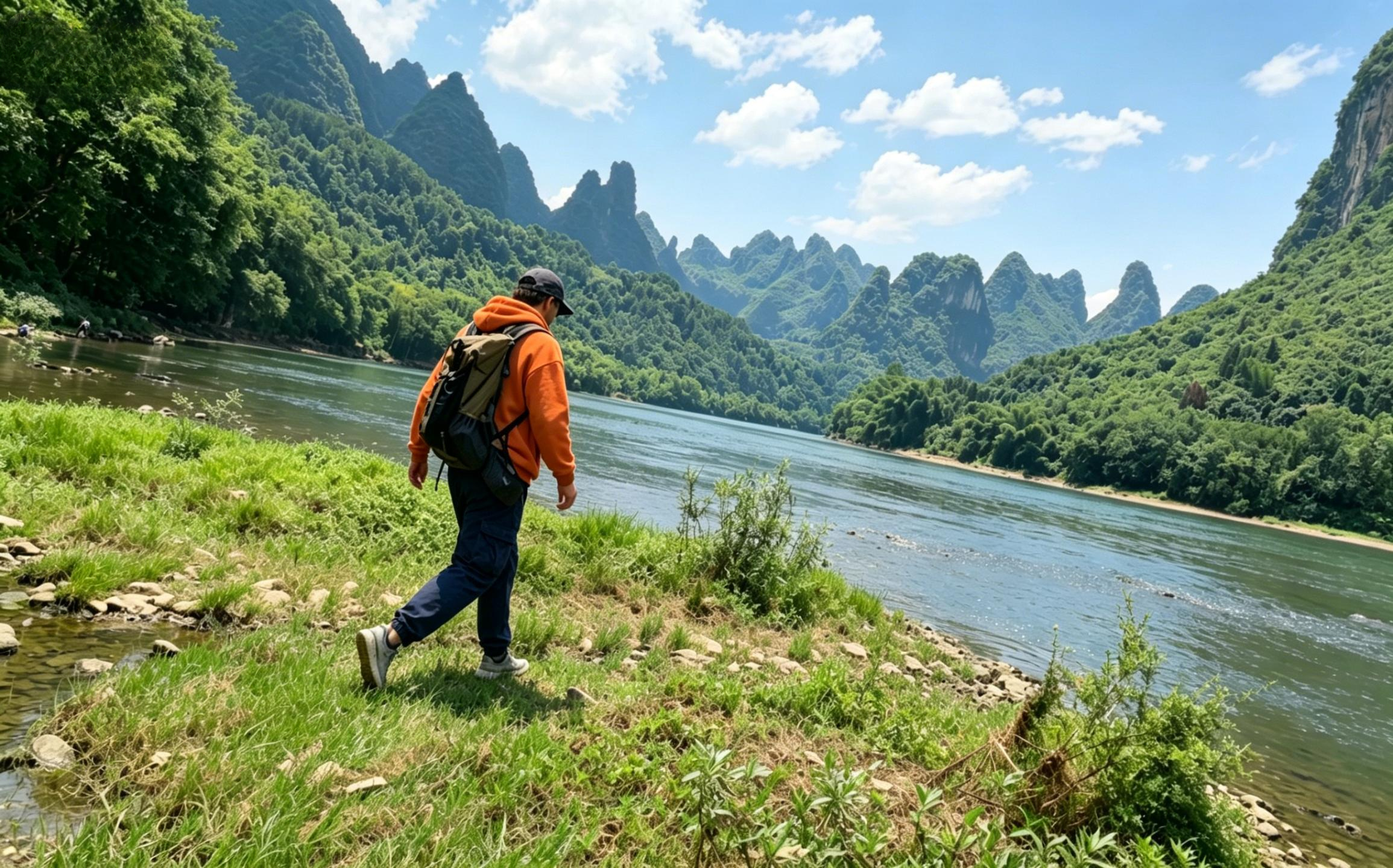
The 20-yuan bill backdrop is a stretch of the Li River at Huangbu, near Xingping, where a cluster of karst peaks reflects in calm water — the exact scene printed on the back of China's 20-yuan banknote. You can reach it by hiking the riverside trail between Xingping and Yangshuo, or by taking a bamboo raft down the Li River. The Li River Hike tour passes right by this spot, and many travelers hold up a 20-yuan note next to the real view for a memorable comparison photo.
Yangshuo's textured limestone karst cliffs first drew climbers in the 1990s, when a handful of foreign climbers began bolting routes on the crags around Moon Hill. Today there are over 800 bolted routes across more than 30 climbing areas, ranging from beginner slabs to overhanging test pieces, all within a short scooter ride from town. The mild year-round weather and laid-back backpacker culture make it one of the most accessible climbing destinations in Asia. Even first-timers can try a half-day beginner course.
The Li River hike puts you inside the landscape — you walk along the riverside path, pass through small villages, and climb to elevated viewpoints like Xianggong Mountain. A bamboo raft is more passive and leisurely, letting you drift past the scenery without effort. Most travelers agree that hiking gives a deeper, more intimate connection to the karst scenery, while a short bamboo raft ride on the Yulong River makes a lovely complement. The Li River Hike tour covers the best walking sections, and you can easily add a Yulong raft on another day.
Xianggong Mountain sits at the first major bend of the Li River, offering a sweeping panoramic view over a horseshoe curve where dozens of karst peaks rise from the valley floor. As the sun climbs from behind the mountains, golden light first touches the river surface, then gradually fills the valley, creating shifting layers of mist and color that change by the minute. It has become one of the most photographed landscapes in China. The Li River Hike & Xianggong Sunrise tour includes the pre-dawn climb to the viewing platform.
Xingping, at the northern end of the Li River hike, is a 1,500-year-old town from the Ming and Qing dynasties that has retained much of its authentic character despite growing popularity. The old street has stone paving and traditional wooden shopfronts, and the riverside market is where locals still sell fresh produce and handwoven goods. Unlike West Street in Yangshuo, Xingping has fewer bars and more everyday life — you will see elders playing mahjong, women washing vegetables by the river, and children running through the alleys. It makes an excellent stop before or after the hike.
Yangshuo Travel Guide 2026: Li River Hikes, Karst Peaks & Village Life Yangshuo is a small county town in southern China, surrounded by some of…
Read More →
A practical China high-speed train guide for foreign travelers, covering 12306 and Trip.com booking, passports, stations, seats, luggage, drones, refunds, and popular routes.
Read More →
TL;DR Cash almost won’t work. In Shanghai, even street vendors scan QR codes. Leave your ATM panic at home. Both Alipay and WeChat Pay accept…
Read More →Ready to explore? Let us create a personalized itinerary just for you.
Start Planning