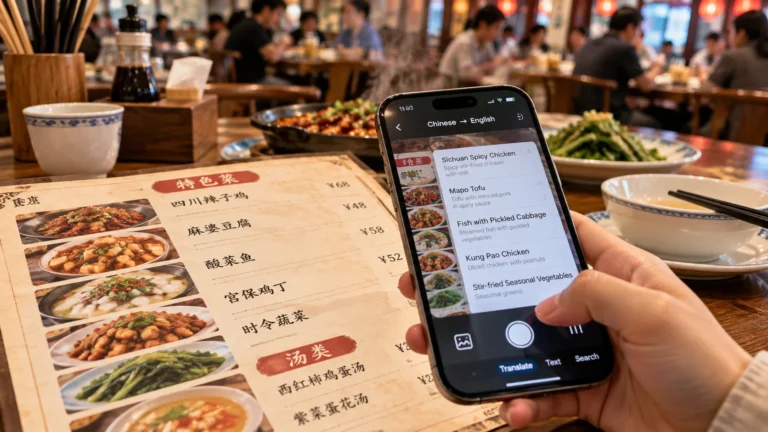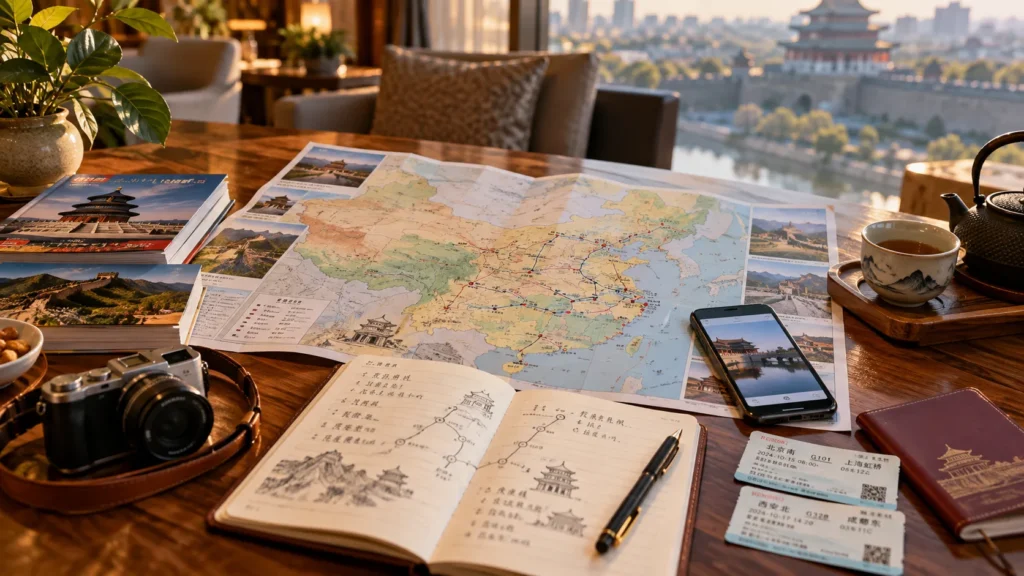
On Reddit, this happens almost every day. A traveler posts a carefully built two or three-week China itinerary and asks, “Does this route make sense?” Dozens of people reply, and they rarely agree. One says you are spending too long in Beijing; another says skip Xi’an entirely; a third insists a side trip you have never heard of is the best part of the country. The original poster reads through everything, thanks the thread, and ends up more confused than before — because the hardest part is not collecting advice. It is working out whether a stranger’s suggestion actually fits your trip.
If you are planning a trip to China, you will run into the same situation. After reading countless of these threads and helping travelers fix the plans underneath them, we have noticed that almost every shaky itinerary comes down to the same four mistakes. This guide walks through each one and, more importantly, how to judge advice against your own travel style instead of drowning in it.
Here is the short version: people underestimate how long it takes to move between cities, trust city guides that are years out of date, chase viral spots and foods that disappoint in person, and accidentally book low-cost tours that exist mainly to sell them things. Each one is avoidable once you know what to look for.
Mistake 1: Underestimating Travel Time Between Cities
This is the single most common mistake, and it ruins more itineraries than anything else. Travelers look at a map, see that Beijing and Xi’an are “both in the north,” and assume a morning train gets them there with a full day of sightseeing still ahead. It does not.
The Train Is Fast. The Whole Journey Is Not.
China’s high-speed trains are genuinely fast — the network stretches over 50,000 km, and trains run at up to 350 km/h (source: China high-speed rail network). But the journey time on your ticket is only one piece of the trip. To catch a train you should arrive at the station roughly 45 to 60 minutes early for security, ticket checks, and finding your gate. Most high-speed stations sit far outside the old city center, so reaching one from your hotel can take another 30 to 60 minutes. After you arrive, you repeat the process in reverse.

Here are realistic door-to-door figures for the routes people plan most, by both train and plane:
| Route | Train time | Flight time | Realistic door-to-door |
|---|---|---|---|
| Beijing to Xi’an | 4.5 to 6 hours | 2 hours | Train 6.5–8h / flight 5.5–7h |
| Beijing to Shanghai | 4.5 hours | 2 hours | Train 6–7h / flight 5.5–7h |
| Xi’an to Chengdu | 3 to 4 hours | 1.5 hours | Train 5–6h / flight 5–6h |
| Shanghai to Huangshan | 2.5 to 3 hours | 1 hour | Train 4.5–5.5h / flight 5–6h |
| Beijing to Kunming | 10+ hours | 3.5 hours | Flight clearly faster |
Flying Has the Same Problem, Often Worse
Travelers often assume a flight is the obvious answer for a long hop, then make exactly the same underestimation. A plane is fast in the air, but flying stacks up even more overhead: you should reach a domestic airport about 90 minutes early (standard check-in guidance) (and allow two to three hours for an international connection), airports typically sit much farther from the city than train stations, and after landing you still face a long taxi or airport-transit ride plus a wait for baggage. Weather and air-traffic delays are also far more common than they are for rail, so a two-hour flight can quietly become a six- or seven-hour door-to-door trip.
On the dense routes in eastern and central China, flying rarely saves much real time once you count the whole journey, and a station near the city center often wins. Reserve flights for genuinely long distances — reaching Yunnan, Xinjiang, Tibet, or the far north — where rail would eat most of a day and the air time is large enough to absorb all the airport overhead.
On top of that, famous sights are often nowhere near the city you are staying in. The Terracotta Warriors sit about 40 km outside Xi’an — around an hour each way. Seeing them properly takes a full day, not an afternoon slot between trains or flights.
How to Choose Between Train and Flight
- Under about five hours by rail, the train is usually the calmer, quicker, and more reliable choice, leaving from a station near the center.
- For most-of-a-day rail journeys, flying usually wins on overall time despite the airport overhead.
- Factor in weather and delays in the season you travel; trains are far less affected.
- Consider where the airport and station actually are in each specific city — this varies a lot and can swing the decision.
How to Fix It
- Treat every travel day as a half day at best. Do not plan a major attraction on the same day you change cities.
- Add two hours to the train time when estimating the true cost of moving between destinations.
- Limit the number of cities. For a first trip, three cities in seven to ten days is comfortable. Five cities in seven days is a blur of stations.
- Build in buffer time. A relaxed morning or an unscheduled afternoon keeps one delay from wrecking the whole week.
If you want the exact booking process, station layout, and which seat classes are worth it, our high-speed train guide covers the whole thing. A well-paced route, such as this 7-day Beijing, Xi’an and Shanghai itinerary, spaces the travel days so you never feel rushed.
Mistake 2: Trusting City Guides That Are Years Out of Date
When we talk about old advice, the part that actually trips people up is not the metro map or the train system — those are hard to get badly wrong. The real problem is city guides: the lists of “must-see places” written a few years ago that no longer match what those places are like today. An article confidently telling you exactly where to go in a city can be quietly wrong in three common ways.
How an Old City Guide Lets You Down
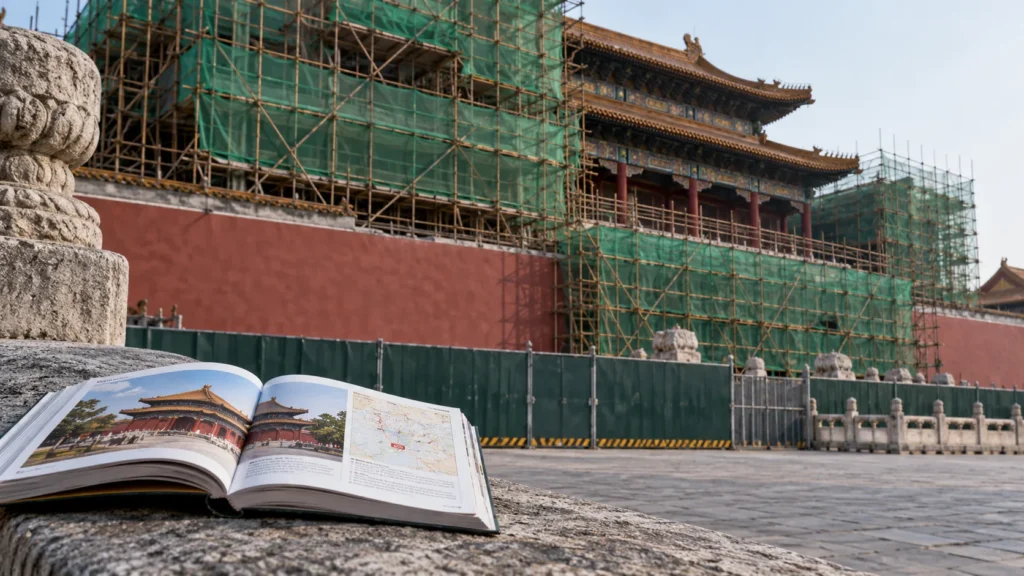
- The place is temporarily closed or under renovation. Popular museums, temples, and historic halls close for months or years of restoration work, and older guides do not mention it. Travelers still cross the city, sometimes on their only free morning, to find scaffolding and a locked gate.
- The site is being redeveloped. Some well-known streets and markets have been rebuilt, relocated, or turned into a much more commercial version of themselves. The atmospheric spot in an old blog may now be a row of chain stores, or may no longer exist in the same place.
- A destination that was famous a few years ago has simply moved on. Cities evolve quickly, and places that were “the” trendy spot — a market, a viewpoint, an old district — can lose the qualities that made them worth visiting, while new areas open up elsewhere. A guide built around yesterday’s hotspot can make you miss what is actually interesting now.
This is also where Reddit advice can mislead. A suggestion from a trip someone took in 2019 reflects that year’s city, not this one. The name of the attraction is the same, but its condition, opening hours, and surrounding area may all have changed.
How to Check a Place Before You Build a Day Around It
- Check the publish date on any city guide, and prefer ones updated within the last year.
- Verify the attraction’s current status directly — look at its official page or official account for renovation notices and current opening hours, especially anywhere you plan a whole morning around.
- Read recent reviews from the last few months, not just the highest-rated ones, to see whether visitors are mentioning closures, construction, or that the place has changed.
- Ask a local. A guide, hotel, or even a recent thread will tell you whether a famous spot is still worth your time or has passed its peak.
Mistake 3: Chasing Viral Spots Without Checking if They Fit You
Short videos have changed how people plan. A clip of a stunning viewpoint, a “cyberpunk” street, or a hidden café racks up millions of views, and suddenly it appears on itineraries all over the world. The spot might be real — but that does not mean it is worth your limited time, or that the video shows what you will actually experience.
Why a Viral Spot Can Let You Down
- It may be nothing more than one camera angle. Some famous shots are taken from an exact spot, with an exact lens, at an exact moment. Step away from that one position and the “incredible” view is a plain rooftop next to a parking lot, an ordinary alley, or a railing over a busy road. People travel across a city to find that angle, realize the photo was the whole experience, and leave feeling it was entirely not worth it.
- The footage is selected. A clip filmed at sunrise on a clear winter morning can represent a viewpoint that is fogged in, crowded, or under construction when you arrive.
- Fame creates crowds. Once a place goes viral, the peaceful experience in the video is often replaced by long queues and dozens of cameras aimed at that same single angle.
- It may not match your style. A steep cliff viewpoint is thrilling if you love hiking and heights, and miserable if you prefer slow mornings, food, and flat walking.
- It can eat a whole day. Some remote viral spots require hours of round-trip travel for a five-minute photo, which only you can decide is worth it.
Viral Food Has the Same Problem
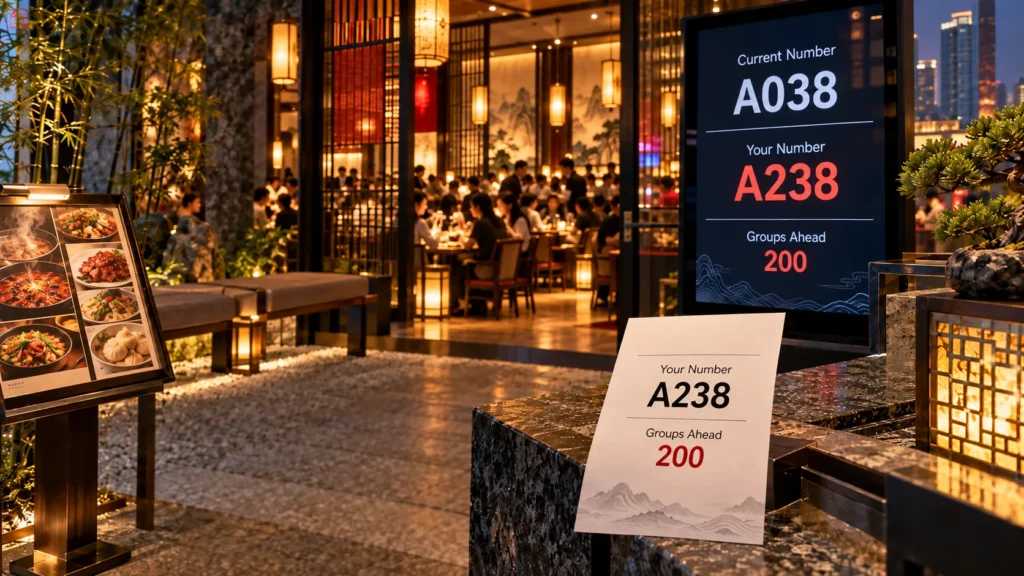
Restaurants and street stalls trend the same way, and this trap may be even more common. You see a dish all over your feed, follow the crowd to the famous shop, and find a line that takes two or three hours for food you can get nearly identical versions of at a quiet stall ten minutes away. Many travelers finally reach the front, take their bite, and honestly think: that was just fine. The dish may genuinely be good, but a three-hour queue changes the math — you are paying with a big chunk of your day, not just money. Before you commit, check how long the line really is, consider going at an off-peak hour, and remember that a city this size almost always has an equally good, uncrowded version nearby if you ask a local.
Sponsored Content Is Not the Same as Advice
One more detail is easy to miss: some posts and videos are paid placements, even when they are not clearly marked as adverts. A hotel, restaurant, or attraction may host a creator in exchange for coverage. The result can still be honest, but you are seeing the business on its best day and at its most polished angle. When a single creator posts an almost flawless review with no mention of price, waiting time, or any drawback, treat it as a recommendation worth investigating rather than a fact you can rely on. Look for independent reviews from ordinary visitors before deciding whether it deserves a place in your limited schedule.
How to Judge Online Advice Honestly
- Ask who wrote it. A personal account from a traveler with similar tastes and fitness is more useful to you than a polished promotional post.
- Look for the downsides. Useful advice mentions crowds, timing, cost, and effort. Posts that show only the highlight are entertainment, not planning material.
- Check recent reviews and multiple photos, not just the single shot that went viral, so you see the place in normal weather and ordinary conditions.
- Match it to your own trip. Before adding any spot, ask how far it is, how long it takes, and whether you would enjoy the actual activity, not just the photo.
- Keep a balance. Mix one or two headline sights with slower, local experiences — a food street, a teahouse, a neighborhood walk — instead of chasing famous backdrops all day.
This is exactly the kind of judgment a local guide provides. Rather than copying a list of trending locations, a good operator helps you decide which ones genuinely fit your energy and pace. For example, this Chongqing city walk shows you the famous skyline while also taking you through the everyday streets most viral clips skip. The same care matters elsewhere: this Chengdu panda and hotpot day trip takes you to the real breeding base at the right early hour, not a crowded copycat stop later in the day.
Mistake 4: Accidentally Booking a Low-Price Shopping Tour
The fourth trap catches budget travelers who book what looks like an unbeatable deal. A full-day tour priced far below what transport and tickets alone would cost is rarely the bargain it appears to be. In many cases, the real business is not the tour — it is the commissions paid by shops.
How These Tours Work
A very cheap one-day or multi-day tour may include stops at jade stores, tea shops, silk outlets, or traditional medicine boutiques. These venues sell products at heavily inflated prices, and the guide receives a commission on what the group buys. You may face long “visits” in a showroom, friendly but persistent pressure to purchase, and far less time at the actual attraction than the listing promised. Some itineraries also add surprise fees once the trip begins.
It is rarely dangerous — China is a very safe country — but it can waste hours of a short holiday and pressure you into buying something that is not worth the price.

How to Spot and Avoid Them
- Here is the one simple rule: compare the price. If one tour is dramatically cheaper than everything else covering the same route — not a little cheaper, but a fraction of it — that is your warning sign. Legitimate operators all pay for the same buses, fuel, tickets, and guides, so their prices land in a similar range. A price far below that range is almost certainly being made up somewhere, and that somewhere is usually a showroom.
- Do the basic math. If the price cannot plausibly cover the vehicle, fuel, tickets, and a guide, assume the difference comes from shopping commissions.
- Ask direct questions before booking: What is the full itinerary? Are any stops shops? Is shopping optional? What is included and what costs extra? A legitimate operator answers these clearly.
- Read recent reviews for the word “shopping.” Travelers who were taken to stores will mention it, often in detail.
- Pay through a tracked method and keep the booking confirmation, so you have a record if the itinerary changes.
- Choose transparent, no-shopping tours. A slightly higher upfront price from an operator who clearly states what is included usually works out cheaper and far more enjoyable.
Every tour we run is private and shopping-free, with the full cost agreed in advance — no showrooms, no commissions, no surprise add-ons. If you want a complete route built around your interests rather than a shop’s, this 10-day Beijing, Xi’an, Zhangjiajie and Shanghai itinerary is a good example of how a relaxed, well-planned trip actually flows. For one region, the 5-day Sichuan and Chongqing route pairs pandas and food with the cities without any forced stops.
A Simple Planning Checklist
- Count a travel day as a half day and add two hours to every train journey.
- Keep first trips to around three cities, with buffer time built in.
- Use guides updated within the last year and verify visa, hours, and trains yourself.
- Treat viral spots as one option, not a checklist, and judge them against your own style.
- Avoid tours priced below their real costs, and ask about shopping stops in writing.
- Balance famous sights with local food, walks, and downtime.
Frequently Asked Questions
How many Chinese cities should I visit in a week?
Two or three cities is comfortable for a first trip of seven to ten days. Each change of city realistically costs a half day or more once station transfers and security are included, so visiting four or five places in a week leaves little time to actually enjoy them.
How far in advance should I plan a China trip?
Aim to book international flights around two to three months ahead and major attraction tickets as soon as they become available, especially for popular sights in peak season. You can refine the daily route closer to departure using current information.
Are viral travel videos about China reliable?
The locations are often real, but the videos are shot at the best time and angle and rarely show crowds, weather, cost, or travel effort. Treat them as inspiration, then check recent reviews, distances, and whether the activity suits you before adding one to your route.
Why are some China tours so cheap?
Tours priced below the realistic cost of transport and tickets are often subsidized by commissions from jade, tea, silk, or medicine shops the group is taken to. Ask for the full itinerary and whether shopping stops are included before booking.
Is a guided tour better than planning China myself?
Self-planning works well with current research and realistic timing. A reputable local guide or operator is most valuable for handling transfers, judging which spots fit you, and avoiding shopping tours, which removes much of the stress from a first visit.
Final Thought
The best China trips are not the ones that pack in the most cities or the most famous viewpoints. They are the ones with realistic timing, current information, sights that actually suit you, and no hidden shopping agenda. Get those four things right and the country becomes remarkably easy to travel — even on your first visit.
At IntoChinaTrip, this is the whole reason we exist. We want every visitor to build a genuine, deeper understanding of China rather than rushing between spots chosen by a showroom’s commission, and we want foreigners to skip the avoidable frustrations that sour an otherwise amazing trip. Travel here should feel real, thoughtful, and genuinely connected to the place — not like running a gauntlet of traps.
If you would like a real professional to look over your plans — to sanity-check your pace, point out anything outdated, or suggest what genuinely fits your style — we are glad to help. Tell us your travel style and how long you have, and we will give you honest, expert advice so you can enjoy the trip instead of worrying about it.