What Is a Chinese Bathhouse?
A Chinese bathhouse (洗浴中心, xǐyù zhōngxīn) is a 24-hour wellness and entertainment complex. For one flat ticket, you get thermal pools, saunas, steam rooms, unlimited fruit and drinks, rest areas, game rooms, and on-demand treatments like body scrubs and massages. Most visitors stay 12 to 24 hours.
In 2026, it is one of the most viral travel experiences in Asia: related content has over 12 billion views across TikTok and YouTube, and inbound bathhouse visits reached 870,000 in Q1 2026, up 198% year-over-year, according to China Daily (April 2026). The boom is not just online: bathhouse service orders across China grew over 30% in 2025, according to Meituan data reported by China Economic Net (December 2025), and one large Guangzhou venue saw international bookings rise roughly 200% between December 2025 and May 2026, reported by Bloomberg via Global Times (August 2026).
Do not confuse it with a Chinese hot spring resort. Hot spring resorts (温泉, wēnquán) sit in suburbs or resort towns, built on natural geothermal water, with dozens of outdoor themed pools (herbal, rose, milk) and hotel rooms. Urban bathhouses (汤泉, tāngquán) are in city centers, use heated tap water, and have only a handful of pools. Their real draw is everything around the water: buffets, cinemas, game zones, and rest areas, all under one roof. This guide is about the urban bathhouse — the one you have seen all over social media.
Unlike a Western spa that charges per treatment and sends you home after an hour, a Chinese bathhouse charges a flat fee and wants you to stay all day. You soak, eat, nap, play, and soak again.

The Step-by-Step Experience
Check-in. Hand over your shoes, get a wristband. It tracks everything you buy inside; you settle one bill at exit. Bring your passport — foreign guests must be registered.
Changing room. Men and women are separate. You receive pajamas, slippers, and a towel. Pajamas are worn in every dry area.
Soaking. The wet area has a few pools ranging from 35°C to 45°C, plus herbal pools, saunas, and steam rooms. Soak for 10–15 minutes, cool down, drink water, repeat.
Body scrub (搓澡, cuōzǎo). The signature treatment. An attendant scrubs you head to toe on a wet table for 20–30 minutes, and dead skin rolls off in visible sheets. It sounds rough and feels intense, but your skin has never been smoother. It costs ¥80–150. If the pressure is too much, say “qīng yìdiǎn” (轻一点, gentler please).
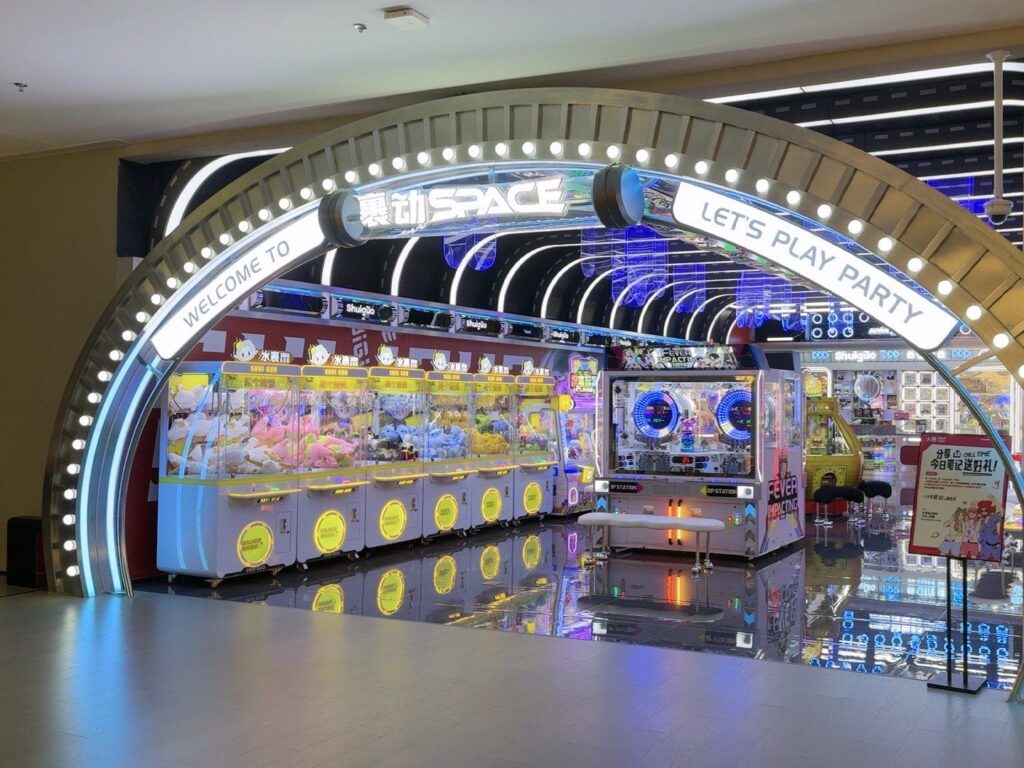
Leisure zone. Back in pajamas, you hit the common floors: recliners with charging ports, fruit and drink bars, buffet restaurants, and the entertainment areas.
Entertainment and Facilities
A large bathhouse packs in enough to fill a full day:
- Gaming: PC stations, game consoles, mahjong and board game rooms
- Cinema rooms with reclining seats
- Reading rooms and quiet zones
- Private KTV booths for groups
- Kids’ play areas
- Tea rooms and lounges
Choosing the Right Bathhouse
Our strongest piece of advice: do not walk into a small neighborhood bathhouse expecting the viral experience. A ¥30 local bathhouse in a smaller city is basically a public shower hall. The experience you have seen online is the large comprehensive bathhouse (综合汤泉) in tier-1 cities — thousands of square meters, multiple floors, big buffets, full entertainment.
- Start in Shanghai, Beijing, Chengdu, or Chongqing.
- Pick large venues with plenty of photo reviews on Dianping.
- Confirm they accept foreigners before you go. Not every venue can register foreign passports, and overnight policies differ from venue to venue. Ask your hotel concierge to call for you, have a Chinese friend check, or contact us — we verify access and book for our travelers.
- In Shanghai, a proper venue starts at ¥200+. Anything much cheaper is a local bathhouse, not the full experience.
Know What Your Ticket Includes
This trips up almost every first-timer. Tickets come in tiers, and the cheapest one does not include dinner:
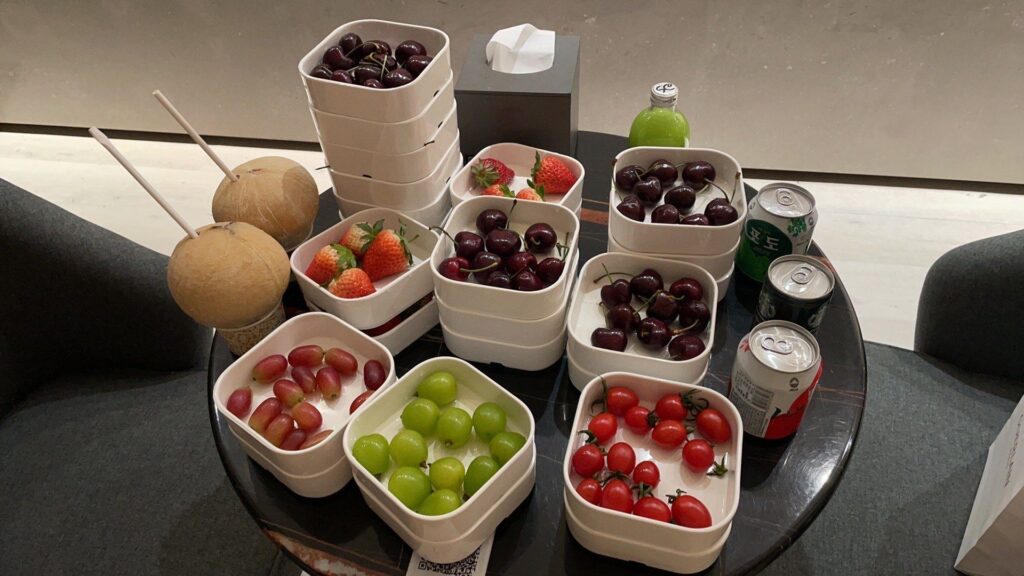
- Base ticket (¥150–400): pools, saunas, fruit and drink bars, rest areas, and basic toiletries. Meals are usually NOT included.
- Ticket with buffet (¥300–700): adds buffet meals — some venues include breakfast, lunch, dinner, and late-night snacks.
- Always extra: body scrubs (¥80–150), massages (¥150–400), private soaking rooms, KTV booths.
- Overnight: sometimes included in a 24-hour ticket, sometimes a ¥30–69 surcharge.
Read the package details on Meituan or Dianping before buying, or ask when booking. Arrive around noon if your ticket includes meals, so you can catch lunch, dinner, and the late-night snack. Arriving at 4–5 PM means dinner onward only.
What It Costs
| City | Base ticket | With buffet meals | Notes |
|---|---|---|---|
| Shanghai | ¥200–350 | ¥400–700 | Most expensive city; fruit and drinks included, meals extra at most venues |
| Beijing | ¥200–400 | ¥400–550 | 18-hour tickets at big venues often include buffet meals |
| Chengdu | ¥120–250 | ¥200–350 | Best value; many mid-range tickets include meals |
| Chongqing | ¥120–250 | ¥200–350 | Many venues use natural hot spring water |
Plan on ¥300–600 per person for a full day with a scrub and meals, depending on the city.
Etiquette and What to Expect
Nudity. The wet areas (pools, saunas, steam rooms) are nude and gender-segregated. Locals are completely comfortable with it, and nobody pays attention to anyone else. If you prefer privacy, premium venues offer private soaking rooms for an extra fee. Wear the provided pajamas in all dry areas.
No photos in wet areas. Phones stay in your locker. Dry leisure areas are fine for photos, but ask before including other guests.
No tipping. China has no tipping culture. No tip is expected anywhere in the bathhouse.
Hydrate. Drink water or herbal tea constantly between soaks, and avoid alcohol in the pools.
Timing. Weekdays are quiet; weekends are packed. Go Tuesday through Thursday if you want calm.
Practical Info for Foreign Visitors
Passport is mandatory for check-in — you will not be allowed in without it.
Payment. Set up Alipay with your foreign card before your trip; most large bathhouses accept it. Carry ¥300–500 in cash as backup for smaller venues.
Language. Most bathhouses run entirely in Chinese, though picture menus make ordering easy. Useful phrases: cuōzǎo (搓澡, body scrub), ànmó (按摩, massage), yàoyù (药浴, herbal soak).
Overnight: What It Is Really Like
Many bathhouses stay open 24 hours and let guests sleep over. It is especially handy if you have a late-night or early-morning flight: instead of booking an hourly hotel or waiting around the airport, you soak, eat, and rest before heading out.
Overnight policies for foreign guests vary by venue. Some places cannot register foreign passports for overnight stays. Always confirm before you go — ask your hotel concierge to call, have a Chinese friend check, or contact us and we will arrange it.

What sleeping actually looks like: there are no private bedrooms. You sleep in the shared rest area on recliner chairs, in single-person sleep capsules, or in small triangle tents at some venues. Spots are first-come, first-served — if you want one, claim your place early in the evening. The hall stays dimly lit with people around you, and some will snore. Light sleepers should bring earplugs and an eye mask, or skip the overnight.
Best Cities
Shanghai
Shanghai has the densest selection of premium bathhouses. Young·SPACE (漾·SPACE) near Lujiazui (57 Pudian Road) is open 24/7, with sleep pods, Dyson hairdryers, and an unlimited fruit and Häagen-Dazs bar; base tickets are around ¥299, with meals and massage extra. Shuiguo Tangquan (水裹汤泉) at Wujiaochang is another foreigner favorite, famous for all-you-can-eat durian. We confirm foreign-guest access when we book for you.
Beijing
No. 9 Hot Spring (九号温泉生活馆) in Chaoyang District is the venue foreign travelers post about most. 18-hour tickets start at ¥399 and include buffet meals, with pools, saunas, cinemas, arcades, and sleep capsules inside. Foreign guests report smooth passport check-in, including for overnight stays. Bring your physical passport.
Chengdu
The best-value city. Mid-range venues charge ¥120–250, and many tickets include buffet meals. The laid-back local vibe makes Chengdu the most relaxed city for a first visit. Pair an evening here with a Chengdu panda and hotpot day tour for a perfect weekend.
Chongqing
Many venues use natural geothermal water, and prices run lower than in Shanghai or Beijing. A Chongqing city walk by day and a hot soak by night is hard to beat.
What to Bring
Towels, robes, slippers, shampoo, and basic skincare are all provided. You only need: your passport, a power bank, earplugs and an eye mask if staying overnight, ¥300–500 in cash as backup, and a small bag for wet items.
How to Book
- Walk in: most venues accept drop-ins. Show your passport, pay at the counter.
- Meituan group-buy vouchers (美团团购): search the venue on Meituan (accessible through the Alipay mini-program) and buy a discounted ticket, often 20–30% cheaper than the door price. The interface is Chinese-only.
- Let us handle it: traveling with IntoChinaTrip? Tell us the venue and date — we verify foreign-guest access, book everything, and you just show up with your passport. Contact us to arrange it.
Add It to Your China Trip
A bathhouse evening fits naturally into any multi-city itinerary. If you have a red-eye or early flight out of Shanghai, a few hours at a 24-hour bathhouse beats waiting at the airport or booking an hourly hotel — you leave showered, fed, and rested. Wellness-minded travelers can pair it with a TCM acupuncture and cupping session in Shanghai. And on a 7-day eastern China itinerary, a Shanghai bathhouse night is the kind of experience travelers talk about for years.
Frequently Asked Questions
What exactly is a Chinese bathhouse?
A 24-hour wellness and entertainment complex with thermal pools, saunas, fruit and drink bars, buffet restaurants, rest areas, game rooms, and spa treatments — all under one roof for a flat ticket. It is a social space where people spend an entire day and night.
Can foreigners visit Chinese bathhouses?
Yes. Bring your physical passport for registration. Large venues in major cities handle foreign guests regularly, though not every venue can accept foreigners, and overnight policies vary. Confirm before you go — your hotel concierge, a Chinese friend, or our team can check for you.
Do you have to be naked?
In the wet areas (pools, saunas, steam rooms), yes — nude and gender-segregated. Dry areas require the provided pajamas. Premium venues offer private soaking rooms for an extra fee if you prefer privacy.
How much does a Chinese bathhouse cost?
Base tickets run ¥150–400 in tier-1 cities and usually include fruit and drinks but not meals. Buffet-inclusive tickets cost ¥300–700. Budget ¥300–600 per person for a full day with food and a scrub. Shanghai is the most expensive city; Chengdu and Chongqing offer the best value.
Can I sleep overnight in a bathhouse?
Many venues allow it. You sleep in the shared rest area on recliners, in single-person capsules, or in small tents — spots are first-come, first-served, so claim one early. Foreign-guest overnight policies vary by venue, so confirm ahead. If you are a light sleeper, bring earplugs and an eye mask, or skip it.
Can I pay with a foreign credit card?
Large venues accept international cards through Alipay — set it up before your trip. Carry ¥300–500 in cash as backup for smaller places.
Is a small local bathhouse worth visiting?
Not for the experience in this guide. The viral bathhouse culture is the large, comprehensive complex in a tier-1 city. A small neighborhood bathhouse is a completely different thing and will leave you disappointed.