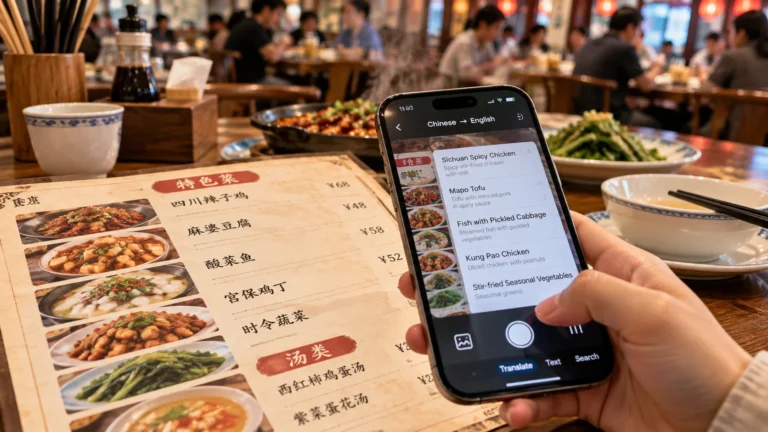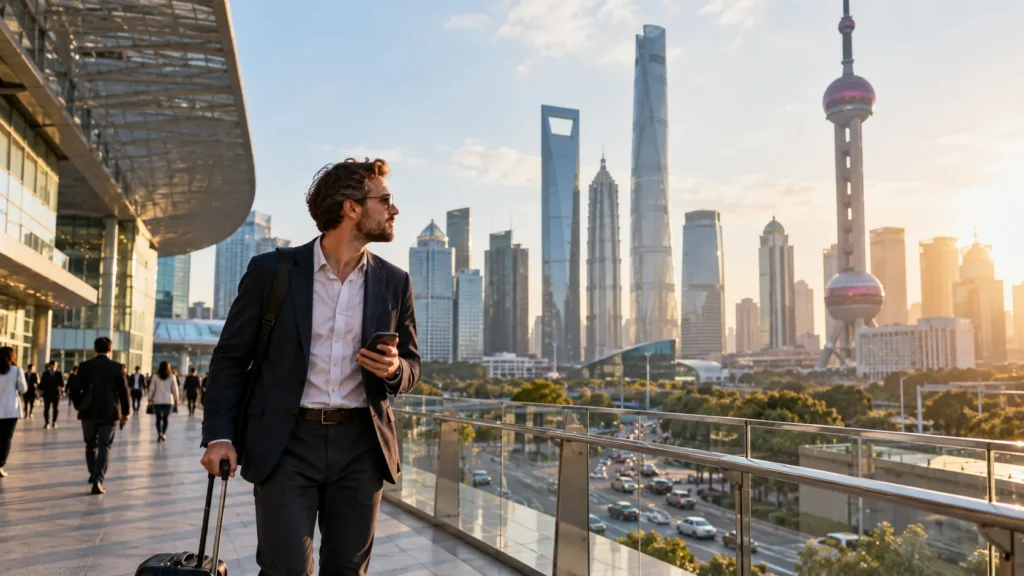
You fly for more than ten hours, sit through three days of meetings, and then what? Most people on a work trip see Shanghai only through a taxi window and leave with the feeling that they never actually experienced the city. This Shanghai business travel guide is built around one simple idea: you do not need a vacation to see real Shanghai. Two free hours between meetings, one open evening, or a weekend after the fair is often enough.
Shanghai is unusual among major business cities because the gap between “where you work” and “where the city feels alive” is small. A booth at the National Exhibition and Convention Center, an office in Lujiazui, and a conference room near the Bund all sit within a short ride of streets, food, and views worth your time. The trick is matching the experience to the time and energy you actually have, rather than forcing a full tourist route into a working day.
This guide walks you through where to stay based on your meetings, how to slot in sightseeing by the hour, evenings that are better than another hotel dinner, where to take clients, and how to handle the practical side before you land.
Shanghai Business Travel by the Numbers
Before you plan anything, it helps to understand the scale of the city you are visiting. Shanghai is not merely a business hub. It is also one of the most visited international destinations in Asia, and the two sides of the city feed each other.
- Shanghai received 9.36 million inbound visitors in 2025, up 39.58% year over year, according to the Shanghai Municipal Administration of Culture and Tourism.
- In the first half of 2026 alone, the city welcomed 5.31 million overseas visitors, a 27.82% increase, with overnight stays rising even faster at 31.19%.
- Five-star hotels ran at a 71.3% average occupancy in 2025, with an average daily rate of around 979 yuan, a sign that demand comes from longer-staying, higher-spending guests.
- Roughly 3.29 million foreign travelers entered under visa-free or transit policies in 2025, about 58% of all foreign arrivals, making a short side trip easier than ever.
What does this mean for you? In short, the infrastructure for a short, high-quality visit is already in place. English signage, mobile payment for foreign cards, high-speed trains, and private transport all work far better than they did even two years ago. You are not experimenting. You are joining a well-worn path.
Where to Stay: Pick Your District Around Your Meetings
The single biggest mistake on a Shanghai work trip is choosing a hotel by price or brand name instead of by geography. A great hotel on the wrong side of the city can cost you an hour each way in traffic. Instead, start with where your days are anchored, then work backward.
Hongqiao and the NECC
If your trip revolves around the National Exhibition and Convention Center, the Hongqiao railway hub, or a trade fair such as the CIIE, stay west in Hongqiao or Qingpu. This area is less “classic Shanghai” than the Bund, but it is ruthlessly efficient. You can reach the exhibition halls in minutes, and Hongqiao railway station puts high-speed trains to Suzhou, Hangzhou, and Nanjing right at your doorstep. For a multi-day fair, this is almost always the smart choice. The scale is worth noting too: the CIIE alone draws more than 1,200 companies and 265 Fortune Global 500 firms, according to China Daily coverage of the fair.

The added bonus is the travel upside. When you have a free day, Suzhou is about 30 minutes away by train, and the water town of Zhujiajiao is closer than the city center. In other words, staying near the NECC does not trap you. It positions you well for short escapes.
Lujiazui and Pudong
If your meetings are in finance, tech, or multinational headquarters, Lujiazui is likely your base. This is the glass-and-steel skyline side of the river, with the city’s most concentrated cluster of luxury hotels and malls. It is convenient for Pudong airport and excellent for evening views back toward the Bund.
That said, Pudong can feel a little sterile after dark. If you want atmosphere, old streets, and local food, you will cross the river to Puxi. The good news is that the ride is short, especially outside rush hour.
Jing’an, People’s Square and the Bund
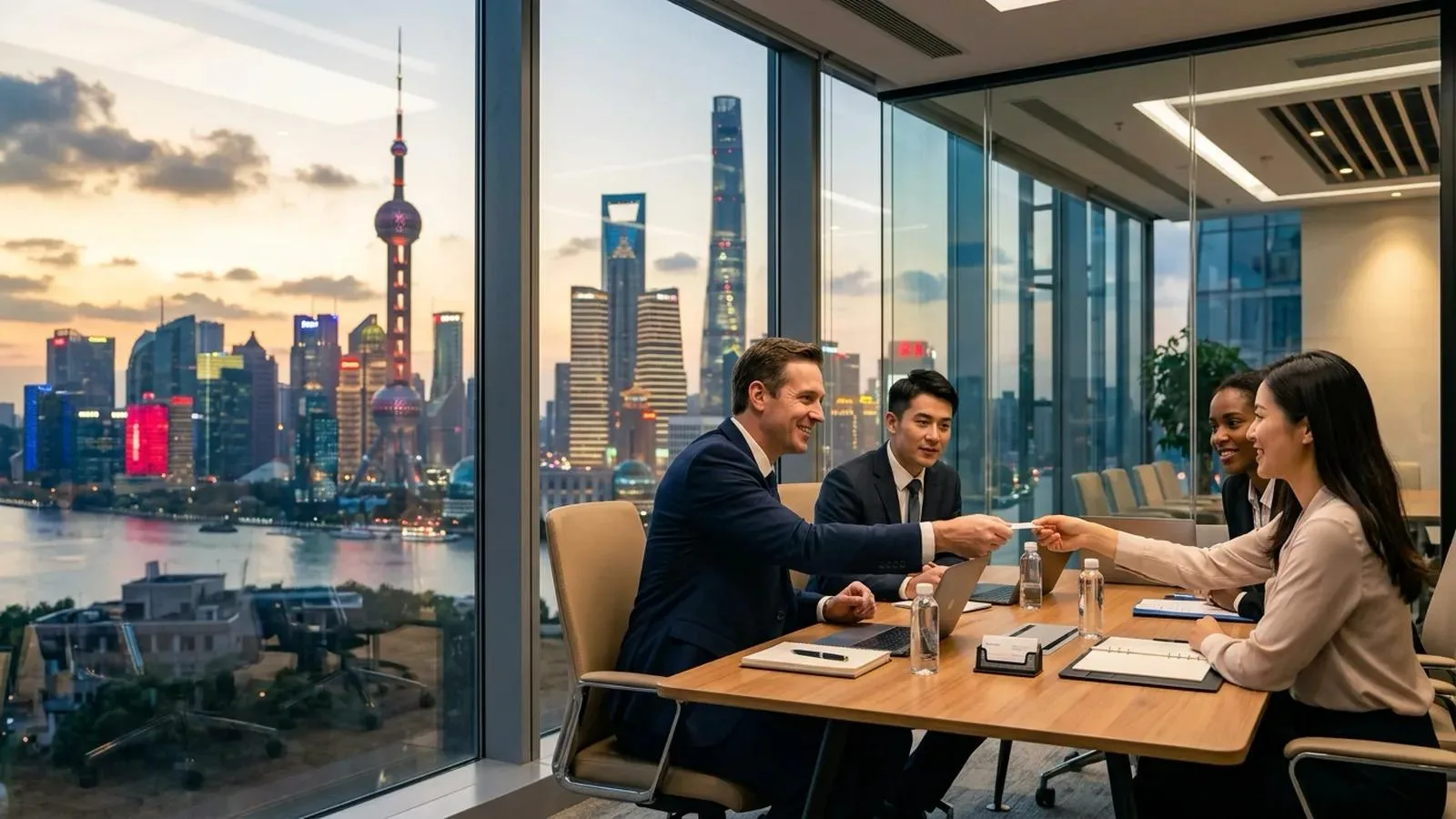
If you want a balance of business access and city life, stay in central Puxi around Jing’an, People’s Square, or the Bund. These areas put the Former French Concession, Yu Garden, the riverside, and much of the city’s best dining within easy reach. They are also well connected to both Pudong and Hongqiao by metro.
This central belt is the best choice if your meetings are scattered across districts or if you intend to sightsee in the evenings. You trade a little commuting time to the NECC for far more life on your doorstep.
How to Add Sightseeing by the Time You Have
The key to bleisure in Shanghai is honesty about your energy. A day of back-to-back meetings or a long afternoon on an exhibition floor is tiring. So instead of counting attractions, match the plan to the block of time in front of you. This quick table points you to the best fit, and the sections below explain each one.
| Free time | Best experience |
|---|---|
| 2 hours | Bund walk or a TCM reset session |
| Half day, in the city | Robotaxi and AI tech walk, or Zhujiajiao water town |
| Half day, by fast train | Suzhou old lanes or classical gardens |
| One full day | Shikumen and North Bund tour, or Hangzhou tea hills |
| An evening hosting clients | Immersive dinner show or seven dynasties banquet |
| Two extra days | Huangshan, or a Suzhou and Hangzhou loop |
Two to Three Hours
With a couple of hours, choose one compact area and stay put. Do not try to cross districts. The best short options are the Bund and its nearby historic streets, a loop through the Former French Concession with a coffee break, or the riverside walk around Lujiazui. Each gives you a strong sense of Shanghai without transit stress.
If you would rather not navigate, a guided Bund city walk handles the route and the context in about two hours, so you can simply show up and walk.
Half a Day
A half day lets you connect two neighboring areas or head slightly out of town. Two pairings work especially well. First, the Bund plus the old shikumen lanes and the North Bund gives you colonial history, local alley life, and river views in one smooth arc. Second, a half-day trip to Zhujiajiao water town delivers canals, stone bridges, and old houses a short drive from the Hongqiao side.
If you are in Shanghai for a tech event or the CIIE, there is a third option that fits the moment remarkably well: a guided walk through Zhangjiang, the city’s tech heartland, with a ride in a driverless robotaxi. The Shanghai robotaxi, AI and tech walk lets you see autonomous vehicles and leading AI companies up close, which usually sparks better dinner conversation than another hall full of booths.
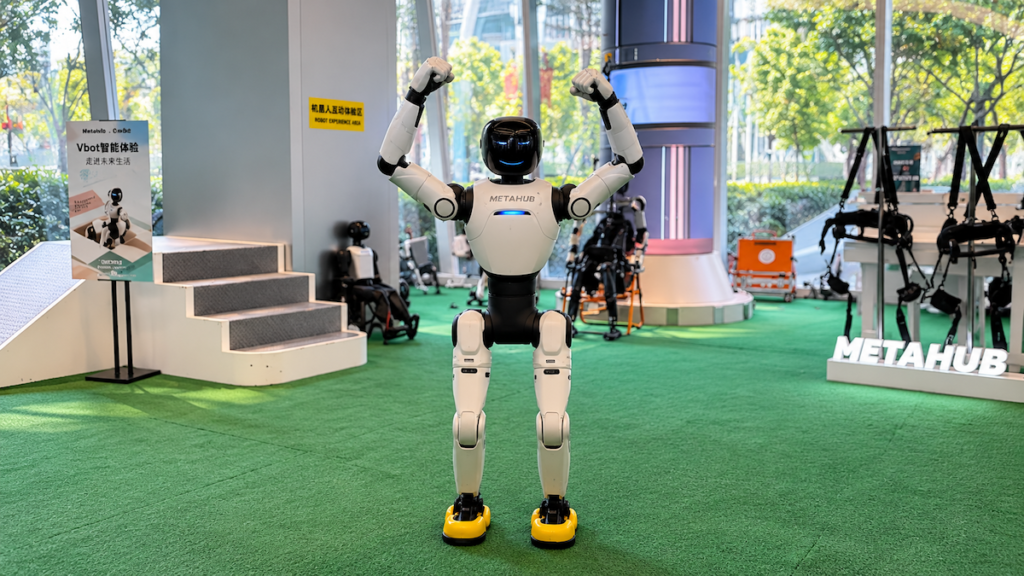
A morning or late-afternoon start is best, both for softer light and for avoiding the midday crowd. If meetings are running long, a private guide can shift the timing without losing the route.
One Full Day
With one complete free day, you can either go deeper into Shanghai or take a day trip. Inside the city, a classic route links Yu Garden and the old town, the Bund, the Former French Concession, and an evening in Xintiandi. Outside the city, Suzhou is the most rewarding single-day destination, with classical gardens, old canals, and a relaxed pace just 30 minutes by train. A morning among the gardens at the Humble Administrator’s Garden and Lion Grove tour, followed by an afternoon in the canalside lanes of the Pingjiang Road deep alley walk, makes a clean, low-stress day.

For a fuller day inside Shanghai that combines culture with gentle walking, the Shanghai shikumen and North Bund day tour covers the lane houses and waterfront that most short itineraries skip.
Two to Three Extra Days
If you can extend after your meetings, this is where Shanghai really pays off. The surrounding Yangtze River Delta is one of the richest travel regions in China, and the high-speed train network makes short trips painless. A two or three day extension can cover Suzhou and its gardens, Hangzhou and its tea hills and West Lake, or a combination that loops back to Shanghai for your flight.

If you prefer greenery over cities, a guided Hangzhou tea trail hike gets you out onto the Longjing plantations for a day of walking that feels worlds away from the exhibition floor. If you can spare two full days and want genuine scenery rather than another city, a Huangshan two-day tour from Shanghai takes you to the granite peaks and sea of clouds that inspired centuries of Chinese painting.
Evening Experiences That Beat the Hotel Restaurant
After a long working day, room service often feels like the easiest option, but it is also the most forgettable. Shanghai has a handful of evening experiences that are low on walking and high on reward, which makes them ideal when your energy is limited.
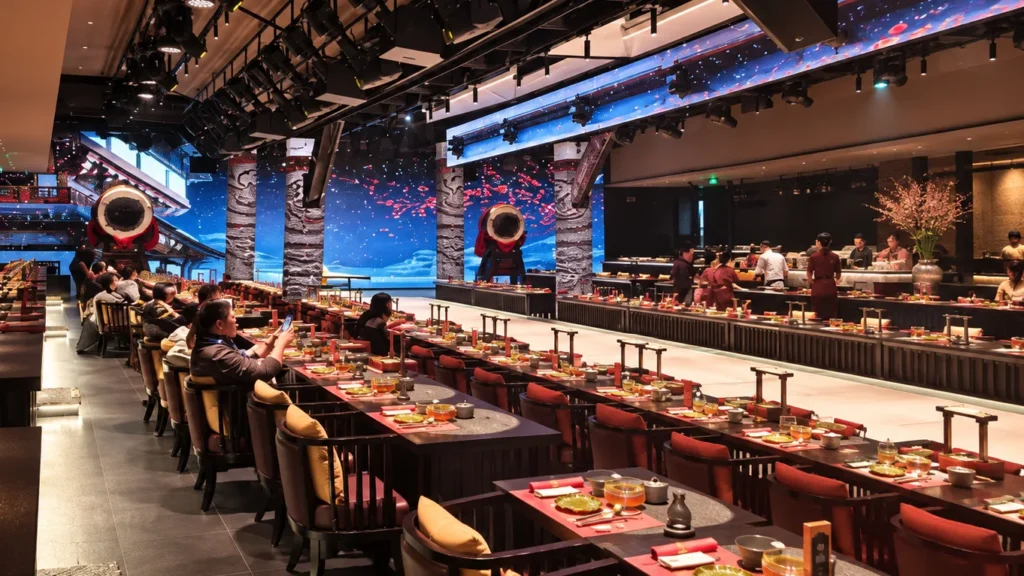
The most distinctive option is an immersive dinner show, which combines a traditional Chinese performance with a set menu in a single seated evening. Instead of talking shop over another Western meal, you get costumes, music, and regional food in one place. The Shanghai immersive dinner show uses a rotating stage and Jiangnan cuisine, while the seven dynasties cultural dining experience walks through seven periods of Chinese history with a Sichuan menu and the option to dress in period costume.
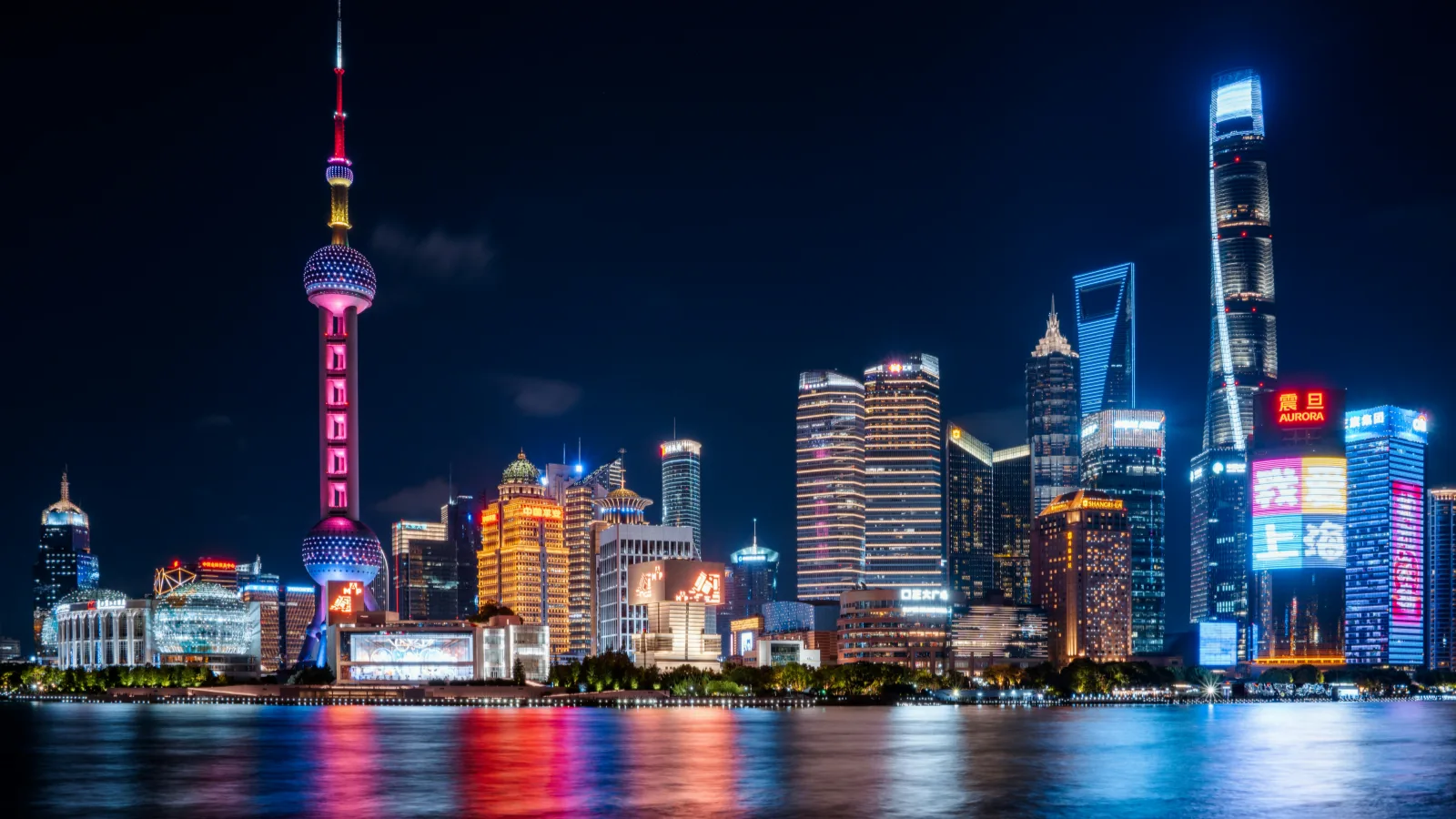
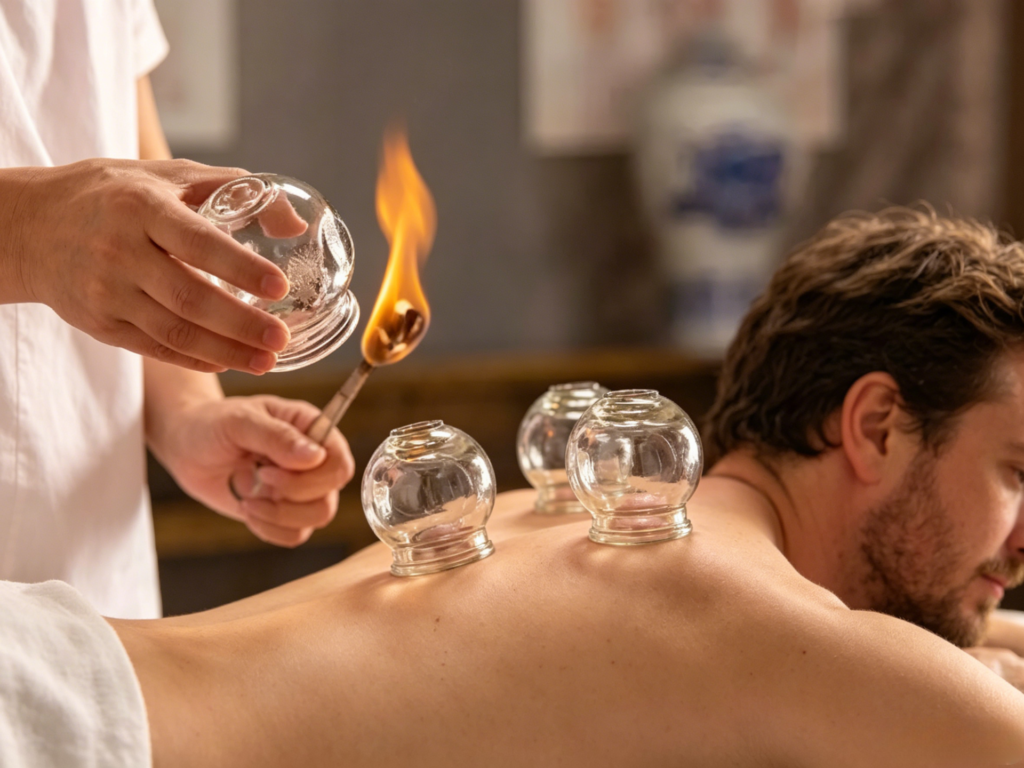
If you want something quieter, a riverside walk along the Bund after sunset is hard to beat, especially on a clear night. For a more local kind of relaxation, a traditional Chinese medicine session of acupuncture and cupping, bookable as a Shanghai TCM experience, is a surprisingly good reset for travel fatigue and desk-bound shoulders.
Where to Eat When You Are Hosting Clients
When you are the one hosting, the rules change. You want food that feels special without being hard to reach, and a room that lets you talk. Shanghai has an answer for almost every style of business meal.
For a polished evening that impresses without risk, choose a private-room restaurant serving refined Shanghainese or Cantonese cuisine near the Bund, Xintiandi, or Lujiazui. The food is fresh and balanced, the service is precise, and the locations are easy for cars. Cantonese cuisine in particular is a safe choice for mixed international groups, because its flavors are mild and broadly appealing.
For a more memorable hosting move, the dinner shows above double as client entertainment. They give your guests something to talk about the next morning and remove the pressure of maintaining formal conversation through a long meal. For a casual team dinner rather than a formal client event, head to the food streets around Yunnan Road or the old town for dumplings, braised pork, and local craft beer.
Whatever you choose, book ahead. Shanghai’s best tables fill quickly on weeknights, and a reservation made the night before may not exist, especially if you are hosting a larger group.
Getting Around Without Wasting Time
Shanghai’s transport system is one of its biggest advantages, but choosing the right mode for the moment matters. The metro is fast, cheap, and extensive, and it beats sitting in rush-hour traffic. Both Line 2 and Line 17 serve the NECC, and the network covers every major business district. It is an excellent choice when you are traveling light.
That said, do not rely on the metro for every business transfer. If you have luggage, several meetings in different districts, senior guests, or a tight schedule, a taxi or ride-hailing car is worth the cost. For airport runs and multi-stop days, a private car with a fixed driver removes uncertainty and keeps you on time.
For trips out of the city, the high-speed train is almost always better than flying or driving over short distances. Trains to Suzhou take about 30 minutes, and Hangzhou takes around an hour, with frequent departures all day. The main time cost is not the ride itself but getting through the station, so build in a little buffer rather than cutting it close.
Setup Before You Land: Payment, Connectivity and Visa
Most Shanghai business travel headaches are avoidable with an hour of preparation before your flight. Sort out three things in advance, and the city becomes dramatically easier.
First, payments. China is largely cashless, but foreign visitors can now link an international Visa or Mastercard to Alipay or WeChat Pay, which covers nearly everything from taxis to restaurants. Carry a small amount of cash as a backup, but do not assume you will need it for daily spending.
Second, connectivity. Either arrange roaming through your home carrier or buy an eSIM before you travel. A stable data connection powers your maps, translation, and ride-hailing apps, so it is worth setting up before you clear customs.
Third, visas and entry. China now offers visa-free entry to citizens of many countries, along with a generous transit policy for travelers passing through on the way to a third destination. In Shanghai, about 58% of foreign arrivals in 2025 used one of these routes. Check the latest rules for your nationality before you book, because the list of eligible countries keeps expanding.
Common Mistakes to Avoid on a Shanghai Work Trip
A few small errors can waste more time than any flight delay. Most of them come from treating a business trip like a normal holiday, or from trying to squeeze too much into a tiring day. Here are the ones we see most often.
- Choosing the hotel by price instead of location. A cheap room on the wrong side of the city costs you an hour of traffic each way. Start with where your meetings are, then book.
- Planning sightseeing before a critical morning meeting. If you have a big day ahead, keep the evening simple. Save the longer trip for after the hard part is done.
- Crossing multiple districts in a few hours. Short time means one area, not three. A calm walk in one place beats a rushed dash across town.
- Relying on the metro with heavy luggage. Trains are great when you travel light. With bags or senior guests, a car is worth the money.
- Arriving without payment and data set up. Link a card to Alipay or WeChat Pay, and sort your eSIM before you land. The first hour in the city then feels easy.
- Booking tables and hotels too late. The best rooms and restaurants vanish early on busy weeknights. Lock in the basics as soon as your dates are fixed.
- Trying to do it all. You do not need to see everything. One good evening or one open day is often enough to feel the real city.
If you avoid just these few traps, your trip will run far more smoothly. Most of the value comes from planning lightly, staying flexible, and not asking your working self to keep the pace of a tourist.
Let Us Build It Around Your Schedule
You do not need to plan a holiday to make the most of Shanghai. A two-hour walk, one seated dinner show, or a two-day extension after the fair is often enough to turn a forgettable work trip into a real experience of the city. The only thing that matters is matching the plan to the time and energy you have.
If you would rather not piece it together yourself, our trip designers can build a flexible Shanghai business travel itinerary around your meeting calendar, from a single evening to a post-fair loop through Suzhou and Hangzhou. Everything can be adjusted when a client dinner or a supplier meeting shifts, so your sightseeing supports your business rather than competing with it. Tell us your dates and districts, and we will handle the rest.
Are you the host instead? If your company is organizing the meetings and you want to offer your visiting clients or delegates something beyond the conference room, we can design group-friendly evening and half-day programs around your official schedule. Your guests get a genuine taste of Shanghai, and the planning stays off your team’s plate. Contact us with your event dates, and we will put together the options.