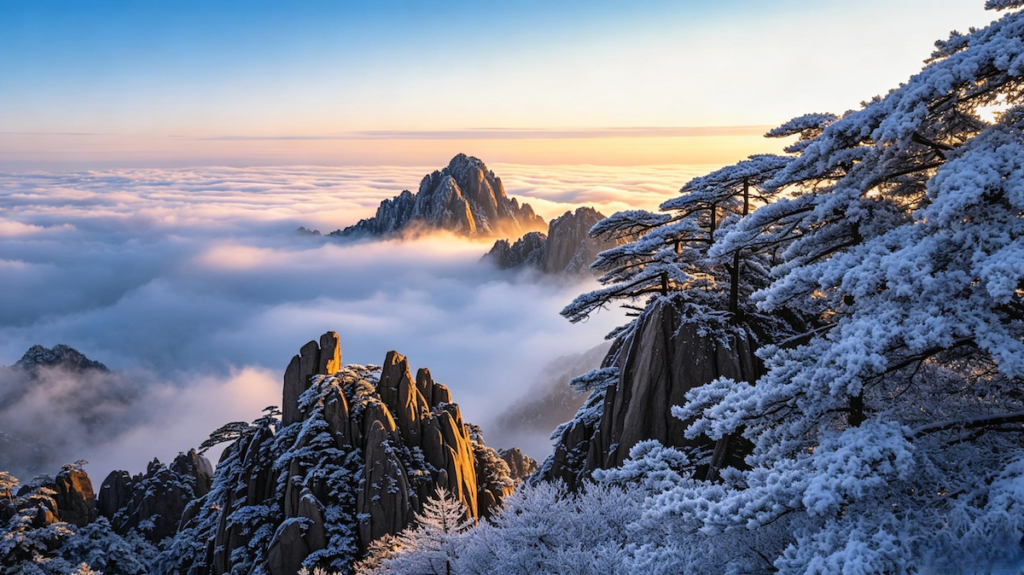
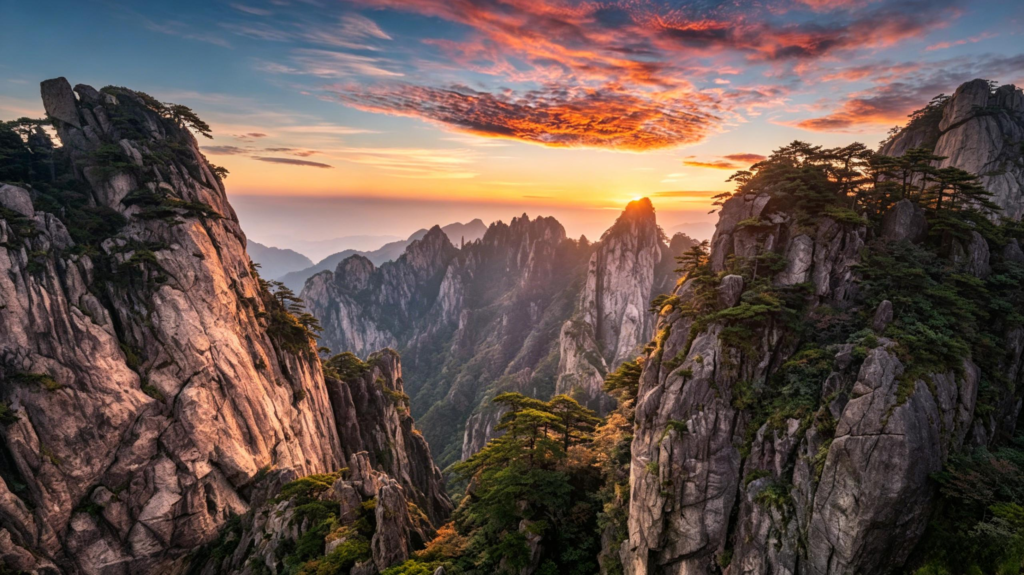
Imagine standing above a sea of clouds, watching the sunrise paint golden peaks in shades of orange and pink. Below you, ancient pine trees cling to granite cliffs that have inspired Chinese painters for centuries. This is Huangshan—the Yellow Mountain—one of China’s most breathtaking natural wonders and a destination that belongs on every traveler’s bucket list.
Whether you’re planning your first visit or returning to explore deeper trails, this comprehensive Huangshan travel guide covers everything you need: the best seasons to visit, must-see attractions, cable car options, where to stay on the mountain, and a tried-and-true 2-day itinerary that maximizes your time at this UNESCO World Heritage Site. In addition, you’ll find practical tips on transportation, packing, and budgeting that will help you plan a seamless trip.
Why Visit Huangshan
Huangshan has been recognized as a UNESCO World Heritage Site since 1990 (UNESCO World Heritage Centre), becoming one of China’s first natural and cultural heritage sites. As a result, the mountain enjoys strict conservation protections that preserve its pristine beauty for future generations. Its unique geology creates four iconic features that draw over 3.5 million domestic and international visitors annually:
- Oddly Shaped Pines—Huangshan’s famous gnarled pines grow from bare rock, their twisted forms a testament to survival in harsh conditions. For example, the most photographed specimen is the Welcoming Guest Pine, a 1,000-year-old tree that has become synonymous with Chinese hospitality.
- Rocks in Peculiar Shapes—Granite peaks have been weathered into formations that spark imagination: the “Monkey Gazing at the Sea,” “Flying Dragon Peak,” and dozens more waiting to be discovered along the trails.
- Sea of Clouds—Due to the mountain’s elevation and climate, clouds often form below the peaks, creating the illusion of a white ocean with mountain islands emerging from the mist. In fact, this phenomenon occurs roughly 200 days per year, giving visitors an excellent chance of witnessing it.
- Hot Springs—At the mountain’s foot, geothermally heated springs offer weary hikers a chance to soak tired muscles while surrounded by forest. Consequently, many travelers combine a Huangshan summit hike with a relaxing hot spring session at the base.
Best Time to Visit Huangshan
Choosing when to visit Huangshan significantly impacts your experience. Above all, the mountain’s weather patterns create distinctly different landscapes across the four seasons, so understanding these patterns is essential for planning your trip.
Spring (April–May) — Spring transforms Huangshan into a garden of colors. Azaleas bloom across the mountain from late April through May, creating vivid purple and pink patches against the grey granite and green pines. Temperatures range from 10°C to 18°C at the summit, making for comfortable hiking. However, spring also brings frequent mists, which can occasionally obscure the panoramic views.
Summer (June–August) — Summit temperatures hover around 15°C-20°C, a refreshing 10°C cooler than the plains below. Therefore, summer is ideal for escaping the heat of China’s lowland cities. On the other hand, this season also brings the rainy season—afternoon thunderstorms are common, so be prepared with waterproof gear.
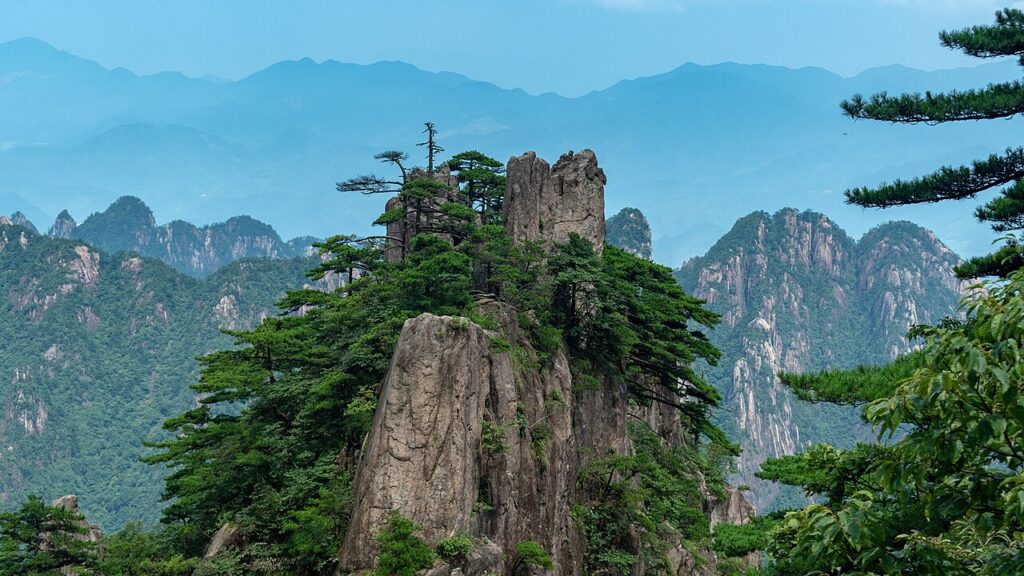
Autumn (September–November) — Experienced travelers consistently rank autumn as the optimal time to visit. Specifically, September and October bring the highest probability of clear skies and stunning sunrises. The famous “sea of clouds” phenomenon often creates unforgettable dawn scenes during this period. Moreover, the comfortable temperatures make extended hiking sessions enjoyable without the fatigue of summer heat.
Winter (December–February) — Winter rewards brave visitors with extraordinary beauty. Rime ice creates a fairy-tale landscape that photographers dream of. Nevertheless, temperatures can plunge to -20°C at night, and some cable cars may close for maintenance. As a result, winter visits require more preparation but offer the unique advantage of smaller crowds and pristine snow-covered scenery.
Top Attractions on Huangshan
Huangshan’s core scenic area covers 160.6 square kilometers, with over 72 peaks above 1,000 meters and more than 2,000 numbered steps and trails (UNESCO World Heritage Centre – Mount Huangshan; Huangshan Municipal Government). Although you cannot see everything in one visit, the following attractions represent the highlights that define the Huangshan experience.
Shixin Peak (1,683m) — Offers some of Huangshan’s most iconic pine tree views. The path winds through famous pines including the Harp Pine, Black Tiger Pine, and Coconut Pine. From there, the summit platform provides commanding views of surrounding peaks stretching in every direction.
Paiyun Pavilion (1,660m) — Serves as the gateway to the West Sea Grand Canyon and is renowned as one of Huangshan’s premier sunset viewing spots. The name means “Cloud-Dispelling Pavilion,” and indeed, the clouds frequently part here to reveal breathtaking vistas of the canyon below.
West Sea Grand Canyon — Features the world’s longest single-span cable car, descending 892 meters through the valley. Consequently, you should plan for 2-3 hours to fully explore the canyon floor and return. The trail descends steeply through narrow ravines and across sky bridges that offer vertigo-inducing views.
Welcoming Guest Pine — No visit to Huangshan is complete without seeing this tree. Estimated to be over 1,000 years old, standing about 10 meters tall with branches extending 14 meters. Its distinctive shape resembles a host extending an arm to welcome guests. In addition, this iconic pine appears on countless Chinese paintings and photographs, making it a cultural symbol as much as a natural one.
Light Summit (1,860m) — Huangshan’s second-highest peak offers 360-degree panoramic views. Furthermore, on very clear days, you can see as far as the Yangtze River in the distance. It also serves as an alternative sunrise viewing location when Beigao Peak becomes too crowded.
Cable Cars: Which One to Take
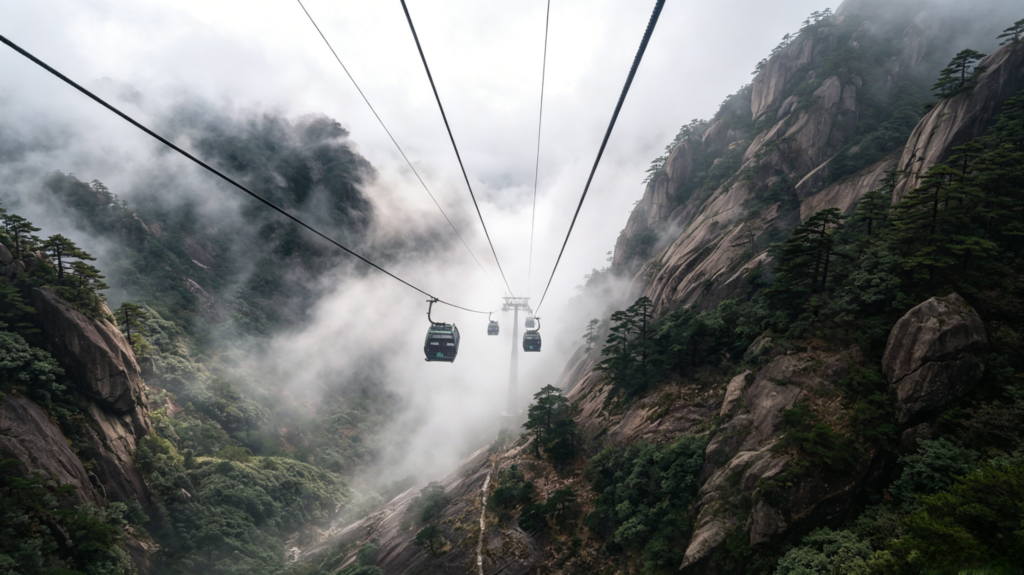
Huangshan’s three cable car systems serve different areas of the mountain. By using them strategically, you can save hours of climbing while still experiencing the best views.
| Cable Car | Route | Best For | Recommended |
|---|---|---|---|
| Yungu | Valley to Shixin Peak area | Back mountain access | Ascending (recommended) |
| Yuping | Valley to Welcoming Guest Pine area | Front mountain access | Descending (recommended) |
| Taiping | Northern route | Avoiding south entrance crowds | Flexible use |
Recommended Route: Ascend via Yungu, descend via Yuping. This covers the most iconic areas in logical sequence. Additionally, this route aligns with the natural flow of the mountain’s trail system, minimizing backtracking.
Operating Hours: Cable cars typically operate from 06:30 to 17:00. However, peak season extends hours; winter shortens them. Always verify current schedules before your visit.
Where to Stay on the Mountain
Staying overnight allows you to experience the famous sunrise and sunset without a rushed day trip. Generally speaking, summit hotels typically range from $180-$230 per night, though prices increase significantly during peak season (October) and Chinese national holidays.
Xianhai Hotel—Near Beigao Peak, best sunrise views. Located in West Sea area.
Beihai Hotel—Central location near North Sea area. Good trail access to multiple scenic zones.
Paiyun Hotel—Near Paiyun Pavilion, ideal for sunset viewing and close to West Sea Grand Canyon entry.
Booking Tips: Book at least 2 weeks in advance, especially during autumn (October-November) and Chinese holidays. In fact, many rooms sell out a month ahead during Golden Week (October 1-7). Mountain hotels have limited capacity, so early booking is essential.
Suggested 2-Day Itinerary
This classic 2-day, 1-night itinerary is designed to maximize your Huangshan experience while maintaining a comfortable pace. On average, Day 1 involves approximately 3-4 hours of hiking; Day 2 adds 2-3 hours if you choose the West Sea Grand Canyon option. For travelers interested in extending their China adventure, consider combining this trip with our Zhangjiajie Travel Guide for another stunning mountain experience, or explore our Best Time to Visit China Guide for seasonal recommendations across the country.
Day 1:
- Morning: Depart from Huangshan City to Yungu Cable Car station. Arrive by 07:30 to minimize queue time.
- Ascend via Yungu Cable Car (approximately 8 minutes). Upon arrival, you’ll be greeted by the spectacular back-mountain scenery.
- Explore Shixin Peak area (1-2 hours). Walk among the famous pines and enjoy panoramic views.
- Continue to Beihai (North Sea) scenic area. Along the way, you’ll pass several lesser-known but equally stunning viewpoints.
- Afternoon: Walk to Paiyun Pavilion via the loop trail (approximately 45 minutes from Beihai).
- Evening: Watch the sunset from Paiyun Pavilion or Danxia Peak. Afterward, descend to your hotel for dinner and rest.
Day 2:
- Early Morning: Wake before dawn and hike to Beigao Peak for sunrise (approximately 20-minute walk from North Sea hotels). Tip: Bring warm layers—the pre-dawn temperature can drop below 5°C even in summer.
- Morning: After sunrise, hike to West Sea Grand Canyon (2.5-3 hours) OR visit Guangming Ding for panoramic views. Alternatively, you can take the West Sea Grand Canyon cable car to save time.
- Afternoon: Visit the Welcoming Guest Pine and surrounding front mountain attractions.
- Late Afternoon: Descend via Yuping Cable Car.
- Evening: Return to Huangshan City or continue to your next destination. If you have extra time, consider visiting the historic Tunxi Ancient Street in Huangshan City for local tea shopping and traditional Anhui cuisine.
Pro Tip: Join our organized Huangshan 2-day tour with English guide, transportation, cable cars, and hotel included. Alternatively, explore our Yangshuo Travel Guide for a completely different but equally spectacular southern China landscape.
Huangshan Travel Tips
What to Pack: Hiking shoes (sturdy, non-slip), rain jacket, warm layers for sunrise, water and snacks, sunscreen and sunglasses. Furthermore, bring a headlamp if you plan to hike to sunrise viewpoints—trails are unlit before dawn.
Altitude: Huangshan’s summit reaches 1,860 meters above sea level. Fortunately, altitude sickness is rare at this elevation. However, take it easy on arrival and stay hydrated, especially during summer months.
Entrance Fees: The Huangshan scenic area entrance fee is ¥190 (peak season: March–November) and ¥150 (off-season: December–February). Cable car tickets cost approximately ¥80-90 one-way. Keep in mind that these fees are subject to change, so verify current prices before your visit.
How to Get to Huangshan
By Air: Huangshan Tunxi International Airport (TXN) offers direct flights from major cities: Shanghai (~1 hour), Beijing (~2 hours), Guangzhou (~1.5 hours). From the airport to Huangshan City center takes approximately 15-20 minutes by taxi or bus. Additionally, the airport has recently expanded its domestic route network, making it easier to reach from more Chinese cities.
By High-Speed Rail: Huangshan North Station is a major high-speed rail hub: From Shanghai Hongqiao (~2.5 hours), Hangzhou East (~1.5 hours), Beijing (~6 hours, direct trains available). From the station to the South Gate scenic area takes approximately 45 minutes by Bus G1 or taxi. For detailed information on navigating China’s rail network, check our China High-Speed Train Guide.
Start Your Huangshan Adventure
Huangshan offers an experience that transcends typical mountain tourism. Whether you’re chasing the famous sea of clouds, seeking dramatic sunrises, or exploring ancient pine forests, Huangshan delivers memories that last a lifetime. Ultimately, this is a destination where nature, culture, and adventure converge into something truly unforgettable. So, pack your bags, lace up your hiking boots, and prepare for an adventure at the Yellow Mountain that you’ll treasure forever.
Frequently Asked Questions (FAQ)
How many days do I need for Huangshan?
Generally, a 2-day, 1-night trip is ideal for experiencing the main highlights of Huangshan. This allows time for a sunrise viewing, the West Sea Grand Canyon, and the iconic front-mountain attractions. However, if you’re an experienced hiker who wants to explore the less-crowded back trails, consider adding a third day. For most visitors, the classic 2-day itinerary provides the best balance of sightseeing and comfort.
Is Huangshan difficult to climb?
In general, Huangshan’s trails are well-maintained with numbered stone steps, making them accessible to moderately fit travelers. That said, some sections are quite steep—particularly the ascent to Beigao Peak and the West Sea Grand Canyon trail. Fortunately, the cable car system significantly reduces the physical demands, allowing you to skip the most grueling sections while still enjoying spectacular views.
What is the best month to visit Huangshan?
Based on weather patterns and crowd levels, October is widely considered the best month to visit Huangshan. The autumn skies are typically clear, temperatures are comfortable (8-16°C at the summit), and the famous sea of clouds appears frequently. On the other hand, if you prefer fewer crowds, late April to early May offers pleasant spring weather with blooming azaleas, though misty conditions are more common.
How much does a Huangshan trip cost?
On average, a 2-day Huangshan trip costs approximately $300-$500 per person, including entrance fees (¥190), cable cars (¥80-90 each way), summit hotel accommodation ($180-$230), meals, and transportation from Huangshan City. Alternatively, joining an organized tour can simplify budgeting—our Huangshan 2-day tour includes all major costs from $219 per person.
Can I do Huangshan as a day trip?
Technically, yes—you can ascend early via cable car, hike the main highlights, and descend by late afternoon. However, a day trip means missing the legendary sunrise and sunset, which are arguably the most memorable parts of the Huangshan experience. Therefore, we strongly recommend staying overnight if your schedule allows it.
Is Huangshan the same as the Yellow Mountain?
Yes, Huangshan and Yellow Mountain are the same place. “Huangshan” (黄山) is the Chinese pinyin name, while “Yellow Mountain” is the English translation. In fact, both names are widely used in travel guides and official tourism materials, so you’ll encounter them interchangeably during your trip planning.