

Overview
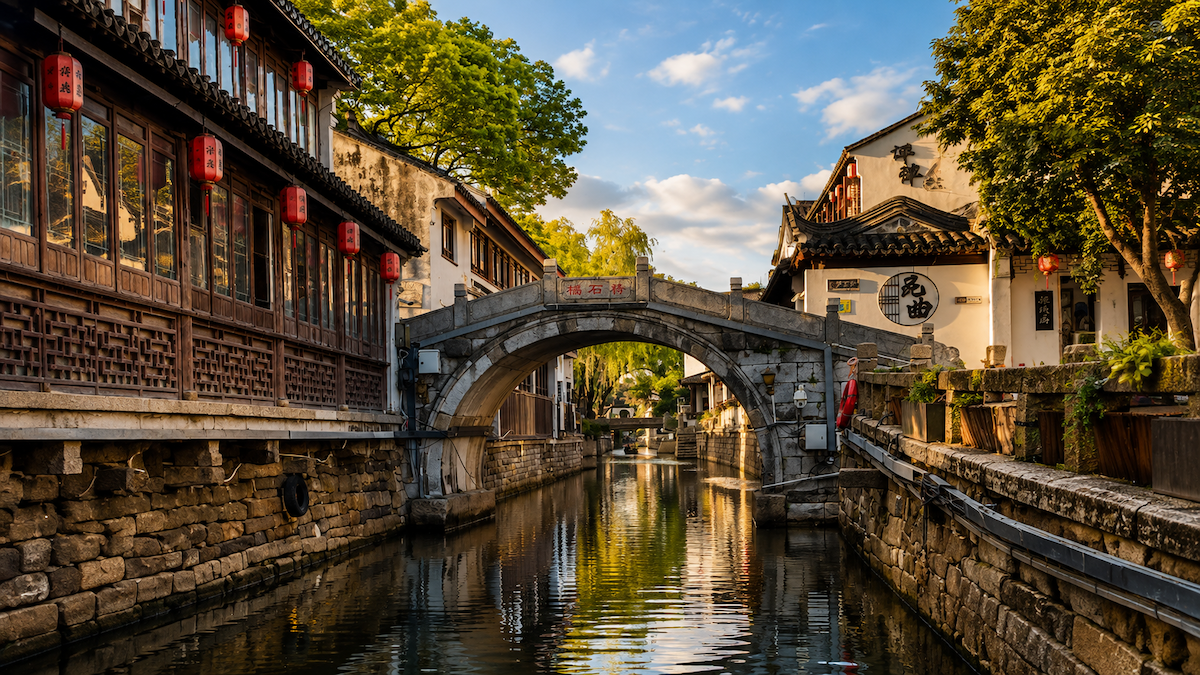
The moment you turn off the main street, the noise fades. Whitewashed walls rise on both sides, vines trailing overhead. Everyone knows Pingjiang Road — but few realize this was once Pingjiang City itself. Using an 800-year-old map as your guide, you explore a neighborhood laid out on a "water and land running side by side" grid, unchanged for eight centuries.
Over three and a half hours, a local English-speaking guide leads you through seven alleys. You pass stone walls a thousand years old, peer into hidden gardens, and hear stories of the scholars, poets, and performers who made this the cultural heart of old Suzhou.
By the end, you feel like you have lived here — not just passed through.
Highlights
- Seven Hidden Alleys — Walk through centuries of living history just steps from the crowds
- Ancient Scholars' Homes — Pass the residences of China's top civil service exam achievers
- 1,000-Year-Old Canal — See original stone embankments from a thousand years ago still lining the waterway
- The Narrowest Passages — Touch both walls at once in lanes designed for foot traffic only
- 500-Year-Old Hidden Garden — Step through an unmarked door into a peaceful Ming-era retreat
- Living Performance Halls — Watch traditional Chinese opera and storytelling in intimate museum settings
- Local Expert Storytelling — Hear every corner come alive as you walk
Itinerary
Seven Alleys, 2,500 Years of Stories
Morning session: 9:30 AM. Afternoon session: 2:00 PM. Meeting point: Xuanqiao Alley Metro Station (Line 1).
Put on your wireless earpiece and step away from the tourist crowds into a neighborhood where time moves differently. Everyone knows Pingjiang Road — but few realize this was once Pingjiang City itself. Following an 800-year-old map called the Pingjiang Tu, your guide leads you through a neighborhood laid out on a "water and land running side by side" grid — the same chessboard pattern of canals and lanes that has shaped this city for eight centuries.
Your walk takes you through seven alleys, each with its own character. The first few lanes feel grand — once home to the scholars, poets, and officials who shaped Suzhou's cultural golden age. You learn where they wrote their verses, held their literary gatherings, and retreated to compose in private gardens. Then the lanes narrow. By the middle section, you are walking single file through passages that feel like a maze, past courtyards where laundry hangs between ancient wooden beams and neighbors chat across the alley.
Halfway through, you stop at two small museums — one for Kunqu Opera, China's oldest surviving dramatic art form, and one for Pingtan, a beloved local storytelling tradition performed in the Suzhou dialect. These are not displays behind glass but living traditions where performers still play on small stages for intimate audiences, exactly as they did centuries ago in private homes.
The walk ends in the Niujia Alley area. You are free to continue exploring the alleys at your own pace or return to your hotel.
What's Included
- Local English-speaking guide
- Wireless earpieces
- Travel insurance
What's Not Included
- Transportation to/from meeting point
- Meals and drinks
- Hotel accommodation
- Personal expenses
Good to Know
- What to Wear: Comfortable walking shoes. Some alleys have original stone-paved paths with uneven surfaces.
- What to Bring: Water and sunscreen, especially in summer. A light rain jacket for drizzly days — the tour runs in light rain.
- Best Time to Visit: Spring (March to May) and autumn (September to November) are most comfortable. Summer is hot and humid.
- How to Book: Select your date and group size when booking, and specify morning or afternoon session. This is a private tour — your group walks together, no strangers. For any questions, contact us.