Beijing rewards the traveler who gives it three days. If you’re planning a 3 days in Beijing itinerary, this city delivers more than you’d expect. In that time, you can walk through the world’s largest palace complex. You can stand atop a 600-year-old watchtower on the Great Wall. And you can lose yourself in narrow alleys where life still moves at a human pace. One day feels rushed. Five days feels indulgent for most itineraries that include Xi’an or Shanghai. But three days? Three days hits the sweet spot.
This guide gives you a clear, useful day-by-day plan — with real prices, transport tips, and honest advice on where to spend your time and where to skip.
Why a 3 Days In Beijing Itinerary Works Best
Most first-time visitors to China combine Beijing with at least one other city. The classic route — Beijing → Xi’an → Shanghai — typically spans 10–14 days. Beijing’s share is usually 2–3 days, and that’s exactly right:
- Day 1 covers royal Beijing: the Forbidden City and Jingshan Park.
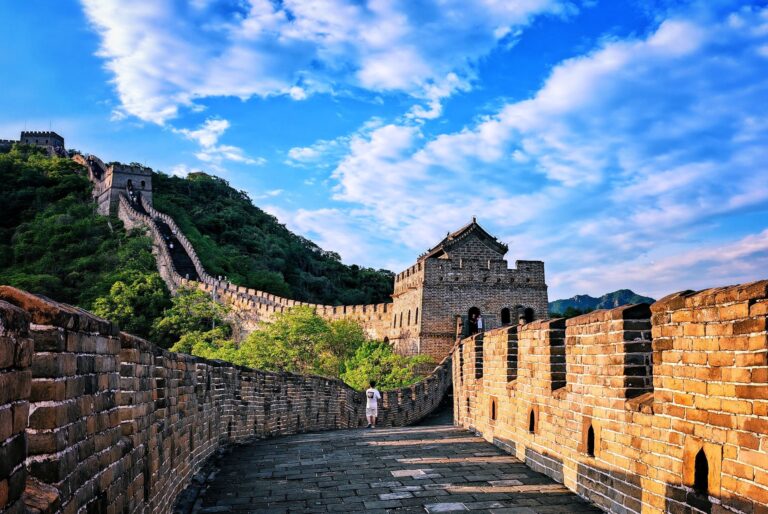
- Day 2 is dedicated to the Great Wall at Mutianyu — the section most travel experts recommend for visitors worldwide.
- Day 3 balances culture and local life: the Temple of Heaven in the morning, hutong hiking in the afternoon.
Two days forces cuts. You’ll regret missing something. Four or five days alone in Beijing can feel slow. That’s unless you’re a deep history fan or returning for a second visit. Three days keeps the pace tight. It never feels breathless.
Day 1 — Imperial Beijing: The Forbidden City & Jingshan Park
Morning: The Forbidden City
The Forbidden City needs no introduction. But it does need planning. This en.dpm.org.cn 720,000 m² palace complex served as the political center of China for nearly 500 years (1420–1912), housing 24 rulers across the Ming and Qing dynasties. It is a UNESCO World Heritage Site and one of the most visited landmarks on Earth.
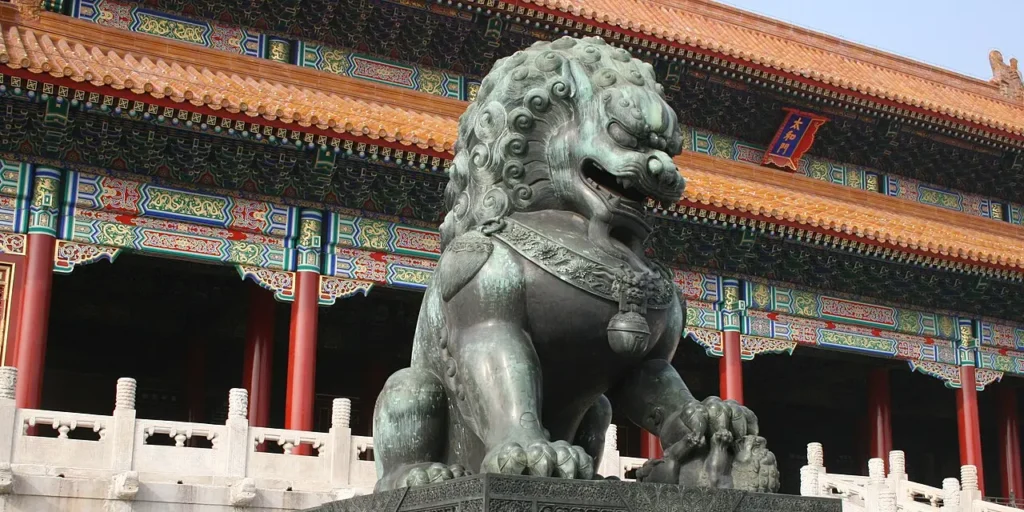
What you need to know:
- Tickets: Prices vary by season (about ¥40-60), advance booking required (source).
- Time needed: 3–4 hours for the central axis. Add 60–90 minutes if you visit the Treasure Gallery or Clock Gallery (¥10 each, separate tickets).
- Closed: Mondays (except public-holiday Mondays).
The central axis route takes you through the three great halls — Harmony, Central Harmony, and Supreme Harmony — where royal rituals once unfolded before thousands of kneeling officials. Don’t skip the back halls of the Inner Court; they’re quieter and more atmospheric.
Useful tip: The Forbidden City is breathtaking — but without expert commentary, most visitors walk away thinking “this is impressive” without understanding the stories behind each hall. Our guided Forbidden City tour brings the history to life with in-depth storytelling. Private tour only — no joining strangers’ groups, and you move at your own pace.
Afternoon: Jingshan Park
Exit the Forbidden City from the north gate. Cross the street to Jingshan Park. A 10–15 minute climb brings you to Wanchunting Pavilion at the top of the hill — the single best vantage point in Beijing. From here, you look south over the entire Forbidden City: a sea of golden rooftops stretching to the horizon, with the Tiananmen gate visible beyond.
This photo ends up in every travel magazine. Go in late afternoon for warm light.
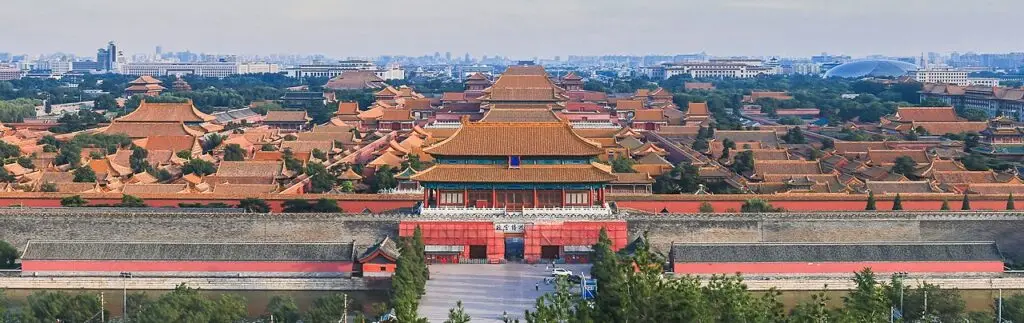
If you still have energy, a short walk west from Jingshan brings you to the Shichahai and Nanluoguxiang area — Beijing’s most concentrated cluster of hutongs. Wandering through the alleyways and grabbing street food along the way is a natural detour and a wonderfully real visit.
Day 2 of Your 3 Days in Beijing Itinerary: The Great Wall at Mutianyu
Not sure which section to visit? Check our Great Wall selection guide to compare sections and find the best fit for you.
Why Mutianyu and not Badaling? Because Badaling is where the tour buses go. Mutianyu is where you go if you want to enjoy the Great Wall.

Mutianyu sits 73 km northeast of Beijing in Huairou District. It features chinatravel-guide.com 5.4 km of restored Ming-era wall stretching across 23 watchtowers, with 96% forest coverage in the surrounding mountains. The crowds are a fraction of Badaling’s, the scenery is more dramatic, and the design is better preserved. visitors worldwide and travel guides consistently recommend it as the best wall section near Beijing.
Getting There
Mutianyu is about 1.5 hours from central Beijing by car. You can drive yourself. Take a tourist shuttle bus. Or use public transport.
Tickets & Costs
Entrance is about ¥40. Cable car (enclosed, to Tower 14) is ¥100 one-way or ¥140 round-trip; chairlift (open, to Tower 6) is ¥100 one-way or ¥120 round-trip; toboggan (downhill from Tower 6) is ¥100 one-way. Students and seniors (60+) get half-price entrance; children under 1.2m enter free.
How to Visit
the top pick: cable car up to Tower 14 → hike to Tower 20 (the highest open point) → hike back west to Tower 6 → toboggan down. Full panorama, a fun descent, and takes about 3–4 hours total.
Relaxed visit: cable car up, walk a short section in each direction, cable car back down. About 2 hours.
But this classic route has one problem: during peak season, queues can be long — cable car and toboggan stations often have significant waits.
If you’re reasonably fit and enjoy hiking, we highly recommend the Mutianyu hiking route — more hiking, fewer crowds. Your guide tells stories as you climb, taking you through far-end watchtowers and the best photo angles that most tourists never reach. About 4–5 hours total — steeper, but absolutely worth it.

Best photo spots:
- Tower 14: 360° panoramic views.
- Tower 20 (“Hero Slope”): the wall stretching into the misty mountains.
- Tower 6 area (Zhengguantai): a rare triple-tower structure.
Timing Matters
When you go on the wall changes the visit dramatically. Morning light (8:00–10:00) gives clear, crisp air for photos. But sunset transforms the wall fully — golden light hits the watchtowers, the crowds thin out, and the mountains turn deep green against the orange sky.
For the best photos and a fully new vibe, we help you choose the best route, avoid crowds, and time your visit for optimal lighting. The Mutianyu sunset tour (July–August only) is timed to arrive in the late afternoon and stay through golden hour. It’s the same wall, but it feels like a new place.
Day 3 — Temple of Heaven & Your Choice
Morning: Temple of Heaven
The Temple of Heaven (Tiāntán) is where Ming and Qing rulers performed annual rituals to pray for good harvests. Built in 1420 — even earlier than the Forbidden City — it is a masterwork of symbolic design.
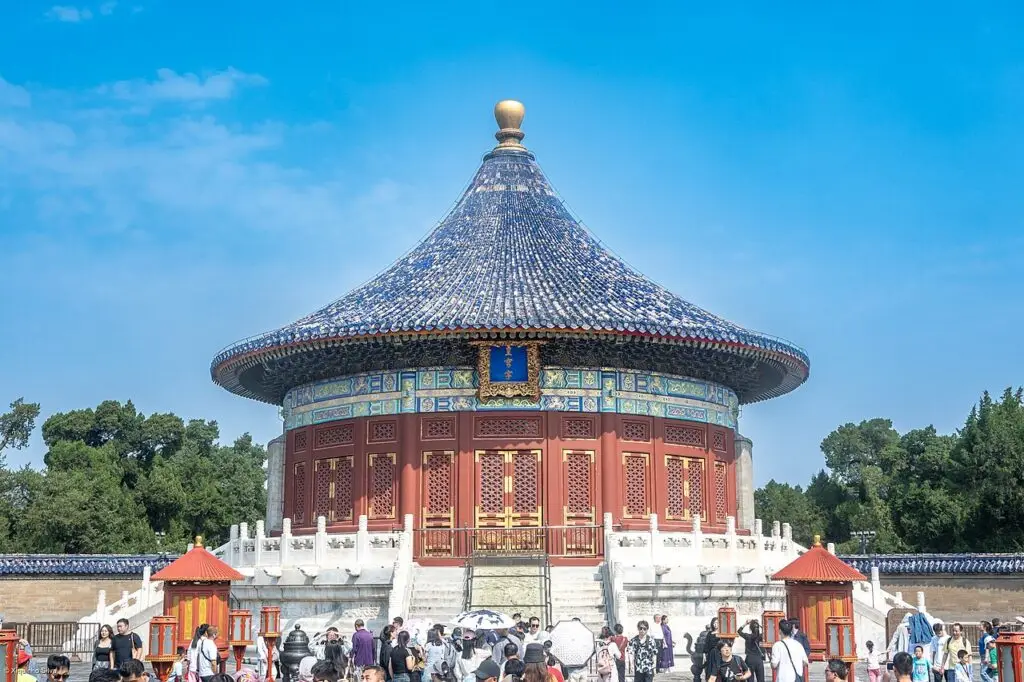
The centerpiece is the Hall of Prayer for Good Harvests: a three-tiered circular wooden structure built with no nails. The surrounding park is vast, circular, and aligned to cosmological principles — the northern end is rounded (representing heaven), the southern end square (representing earth).
But the real magic of the Temple of Heaven happens before you reach the main buildings. In the early morning, the park fills with local retirees practicing tai chi, playing traditional instruments, writing calligraphy on the pavement with water, or dancing in groups. This is Beijing at its most alive and real.
Useful info:
- Tickets: Park tickets and combo tickets with main buildings available.
- Hours: 6:00 AM – 10:00 PM (park); main buildings close around 5:00 PM.
- Best time to visit: Early morning (before 8:00 AM) for the local vibe.
- Metro: Line 5, Tiantandongmen station.
Afternoon: Pick Your Adventure
Your third afternoon is flexible. Here are the best options:
Option A: Summer Palace (Yíhé Yuán)
The royal summer retreat — a vast lake-and-garden complex on the city’s northwest edge. Beautiful, but requires half a day minimum. Metro Line 4 gets you there.
Option B: 798 Art District
Beijing’s contemporary art hub, set in decommissioned military factory buildings. Galleries, street art, cafes, and a fully new side of the city. Free to wander; most galleries open 10:00–18:00.
Option C: Hutong Exploration
Temple of Heaven & hutong walking tour — the perfect pairing with your morning at the Temple of Heaven. After visiting the temple at dawn, follow a guide deep into the old hutongs to explore courtyard design and local life culture.
Option D: Lama Temple (Yōnghé Gōng)
Beijing’s most important Tibetan Buddhist temple. Active monastery with monks, incense, and stunning murals. Less than an hour to visit.
Option E: Free time
Shopping at Wangfujing, revisiting a favorite neighborhood, or simply resting before your next place. Not every moment needs to be scheduled.
Where to Stay
Beijing is massive. For this 3 days in Beijing itinerary, stick to the central districts:
| Area | Vibe | Best For |
|---|---|---|
| Dongcheng (east of Forbidden City) | Hutongs, culture, walking distance to major sights | First-timers who want to be in the middle of everything |
| Xicheng (west of Forbidden City) | Quieter, residential, parks | visitors who prefer a calmer base |
| Sanlitun (east) | Modern, nightlife, global dining, embassies | Those who want restaurants, bars, and a cosmopolitan feel |
All three areas have excellent metro access. Dongcheng puts you closest to the Forbidden City and hutongs. Sanlitun is the best base for evening dining and drinks. Avoid staying too far north or south — you’ll spend your days commuting.
How to Get Around
Beijing’s metro makes your 3 days in Beijing itinerary so much easier — it’s one of the best in the world: bjsubway.com 27+ lines, 500+ stations, English signage, and fares starting at just ¥3. It runs from about 5:00 AM to 11:30 PM and reaches almost every tourist sight.
Key lines for visitors:
- Line 1: Forbidden City, Tiananmen, Wangfujing.
- Line 5: Temple of Heaven, Lama Temple.
- Line 4: South Railway Station, Summer Palace.
- Line 2: Central loop, connecting major train stations.
Payment: You can pay with a single-journey ticket at machines, tap a foreign Visa/Mastercard directly at the gate, or use the Yikatong transit card (rechargeable). Alipay and WeChat Pay also work for metro QR codes.
Airport transfers:
- Capital Airport (PEK): Airport Express to Dongzhimen, about 30 minutes.
- Daxing Airport (PKX): Daxing Airport Express to Caoqiao, about 19-35 minutes.
Taxis and DiDi (China’s Uber) are affordable for short hops. Always have your place written in Chinese characters to show the driver.
Essential reading: Before you arrive, set up your payment apps. Cash is nearly obsolete in Beijing. Even street vendors use mobile payment. Our How to Pay in China guide walks you through setting up Alipay and WeChat Pay before you land.
Practical Tips
Visa Requirements
Most nationalities need a visa to enter China, but the 240-hour visa-free transit policy is a game-changer for short visits. Citizens of nationalimmigration.gov.cn 55 countries (with the US, UK, Canada, Australia, most EU nations, Japan, South Korea, and others) can transit through Beijing without a visa for up to 10 days — as long as you’re continuing to a third country or region.
Requirements:
- Valid passport (6+ months remaining).
- Confirmed onward ticket to a third place (not your country of origin).
- Enter via designated ports (Beijing Capital Airport, Daxing Airport, or Beijing West Railway Station).
This makes a 3-day Beijing stopover fully visa-free for most visitors. Check our full China visa guide for the complete list of eligible countries and step-by-step instructions.
Best Time to Visit
Beijing’s weather swings from freezing winters to scorching summers. The sweet spots:
- Spring (April–May): Mild temperatures, blooming flowers, occasional dust storms. easy for walking.
- Autumn (September–October): Clear skies, cool weather, golden foliage on the Great Wall. Peak season for a reason.
- Winter (December–February): Cold but uncrowded. Snow on the Forbidden City’s golden roofs is magical. Off-peak prices.
- Summer (June–August): Hot, humid, and crowded. School holidays bring domestic tourist floods.
For a detailed month-by-month breakdown, see our Best Time to Visit China guide.
Language & Communication
English is not widely spoken outside major hotels and tourist sites. Download a translation app. Baidu Translate works better than Google Translate in China. Have your hotel address written in Chinese for taxi drivers. Most metro signs are bilingual.
Tipping
Do not tip in Beijing. Tipping is not part of Chinese culture and can cause confusion. Restaurant staff, taxi drivers, and hotel employees do not expect tips.
Extending to 4–5 Days?
Already finished your 3 days in Beijing itinerary and have an extra day or two? Here’s how to fill them:
Day 4 options:
- Summer Palace — The royal garden retreat (half-day minimum).
- Ming Tombs — The burial site of 13 Ming rulers, combined with a drive through the Changping district.
- Gubei Water Town + Simatai Great Wall — Simatai is the only section left in its original, unrestored state. At its base, Gubei Water Town is a charming mountain resort. You can climb the wall by day and soak in hot springs by night.
Day 5 options:
- Day trip to Tianjin — 30 minutes by high-speed train; colonial design, ancient food streets, and a fully new city vibe.
- More hutong time — Revisit neighborhoods, take a cooking class, or explore the Drum Tower and Bell Tower area.
- Panda watching — Beijing Zoo has a panda house; for a more ethical visit, visit the China Conservation and Research Center for the Giant Panda (about 2 hours from Beijing).
Plan Your Trip
Three days in Beijing gives you the royal grandeur of the Forbidden City, the raw majesty of the Great Wall, and a taste of the living city in between. It’s enough to fall in love — and usually enough to start planning a return.
Want to skip the logistics? Our trip designers can build a custom Beijing plan around your pace, interests, and travel dates. Get in touch to start planning.
Frequently Asked Questions
Is 3 days enough for my Beijing itinerary?
A 3 days in Beijing itinerary is the ideal balance for a first-time visit. One day is too rushed to cover the Forbidden City, Great Wall, and Temple of Heaven. 4–5 days are only necessary if you are a deep history enthusiast or on a second visit. 3 days allows you to visit the major sights without feeling overwhelmed.
Do I need a visa for Beijing?
Most nationalities need a visa. But citizens from 55 countries (with the US, UK, Canada, Australia, most EU nations, Japan, and South Korea) can use the 240-hour visa-free transit policy. This allows you to stay in Beijing for up to 10 days without a visa if you are continuing to a third country.
How much does a 3 days in Beijing itinerary cost?
A 3 days in Beijing itinerary is more affordable than most Western capitals. For a 3-day plan, entrance fees (Forbidden City, Mutianyu, Temple of Heaven, etc.) total around ¥150-200, and meals average ¥100-200 per day, depending on your preferences.
What is the best time to visit Beijing?
Spring (April–May) and autumn (September–October) are the best times. The weather is mild and the skies are clear. Autumn is particularly popular for the golden foliage on the Great Wall. Winter is cold but uncrowded and good for budget visitors. Summer is hot, humid, and brings crowds of domestic tourists.
Forbidden City vs Mutianyu – which to prioritize?
Neither should be missed, but if you must prioritize, the Forbidden City represents China’s royal history and culture, while Mutianyu Great Wall offers stunning natural and architectural trips. Most guides suggest visiting the Forbidden City on Day 1 morning (requires booking) and Mutianyu on Day 2. In a 3-day plan, you can comfortably visit both.
How to get from Beijing airport to city center?
Beijing has two airports. Capital Airport (PEK): Airport Express to Dongzhimen, about 30 minutes. Daxing Airport (PKX): Daxing Airport Express to Caoqiao, about 19-35 minutes. Taxi costs to the city center depend on your specific place. DiDi is a more convenient alternative to street taxis.
Can I use credit cards in Beijing?
Credit card acceptance is limited, mainly at high-end hotels and shopping malls. Most everyday transactions use mobile payment (Alipay and WeChat Pay). Foreign Visa and Mastercard now work at metro gates, but cash is becoming obsolete. Set up Alipay or WeChat Pay before you arrive.
Is the Great Wall wheelchair open?
The Great Wall is generally not wheelchair open. Mutianyu has a cable car that takes you up to a watchtower, but the wall itself is steep and uneven, making it unfriendly to wheelchairs. Some sections are easier than others, but overall, the Great Wall represents a physical challenge. For open visitors, consider other attractions like the Forbidden City (partial accessibility) or Temple of Heaven Park.
Beijing subway tips for tourists?
The Beijing metro is the best way to get around — 27+ lines, 500+ stations, English signage, and fares starting at ¥3. It runs from 6 AM to 11:30 PM. You can buy single-journey tickets at machines, tap foreign credit cards, or use Alipay/WeChat Pay QR codes. Avoid peak hours (7:30–9:00 AM and 5:00–7:00 PM) when trains are crowded.
What should I pack for a Beijing trip?
Pack according to the season. Spring/Autumn: Light jacket, easy walking shoes. Summer: Sunscreen, hat, rain jacket (hot, humid, and rainy). Winter: Heavy coat, gloves, warm footwear. Regardless of season, bring a translation app and have your hotel address written in Chinese. Beijing involves a lot of walking — easy shoes are essential.
Prices and schedules in this guide are accurate as of mid-2026. Always verify ticket availability and opening hours before your visit, especially during national holidays.