If you are planning your first trip to China, you probably have a long list of questions. Some of them feel too basic or too embarrassing to post online. Do the toilets really not have paper? Can I drink the water? Will anyone understand me? What if I lose my passport?
The Questions Travelers Actually Ask
The term for this kind of travel is trending hard. The related chinamaxxing tags alone have crossed 4 billion views overseas, per Xinhua News Agency, so millions of first-time visitors are now asking the same practical questions. We run a small travel company based in Shanghai, and we hear these exact questions every week from guests who book with us. So instead of writing another glossy overview, we collected the 25 questions travelers ask us most often and answered them honestly. This is the practical stuff: the internet, the money, the food, the toilets, the etiquette, and the small daily situations no glossy brochure covers. For topics that deserve a full guide, we also link to our more detailed articles. Read this before your trip, and most of the first-day stress simply will not happen to you.
The Internet: VPN, Apps, and Staying Connected
Can I use Google, WhatsApp, Instagram, or Gmail in China?
Not without help. Mainland China blocks most major Western platforms, including Google Search and Gmail, WhatsApp, Instagram, Facebook, YouTube, X, and Reddit. This filtering is often called the Great Firewall, and it applies to any normal local internet connection, whether that is hotel Wi-Fi or a Chinese SIM card. You have two clean ways around it. First, install a reputable virtual private network (VPN) before you fly and turn it on after landing. Popular options that still work in 2026 include Astrill, ExpressVPN, and NordVPN. Availability changes, so install two as backup. Second, and simpler for most travelers, buy an international travel eSIM that routes your traffic outside China. With a roaming eSIM, Google, WhatsApp, and Instagram load normally without any VPN at all. The one real hassle is doing it last minute. If you land with no data and no VPN, sorting both out inside China is awkward, because the very apps you need to download may be blocked. You can still pick up a local SIM at the airport, but setting things up before you fly is far smoother.
What is the easiest way to get internet during my trip?
Most travelers are happiest with an international travel eSIM rather than a local Chinese SIM. A roaming eSIM keeps you on an international network, so your usual apps work and you are not fighting the firewall all day. For the complete breakdown, including data packages and how roaming differs from a local SIM, read our China eSIM and SIM card guide. If you only use free hotel Wi-Fi, be aware that it is sometimes too slow for video calls. A good data plan is cheap, and it makes every other app in this article far more reliable.
Will my phone charger work in China?
Mostly, but bring an adapter. China uses 220 volts at 50 hertz, and the standard sockets are built for flat two-pin plugs, the same shape as US plugs. European round two-pin plugs generally do not fit these sockets, and neither do Australian or British three-pin plugs. Most modern phone and laptop chargers accept 100 to 240 volts automatically, so you need only a cheap plug adapter, not a voltage converter. If you bring a hair dryer or another high-power appliance from a 110-volt country, do not plug it in without a converter. Pack one universal adapter, and you will be covered everywhere.
Language: Getting By Without Speaking Mandarin
Can I travel in China without speaking any Chinese?
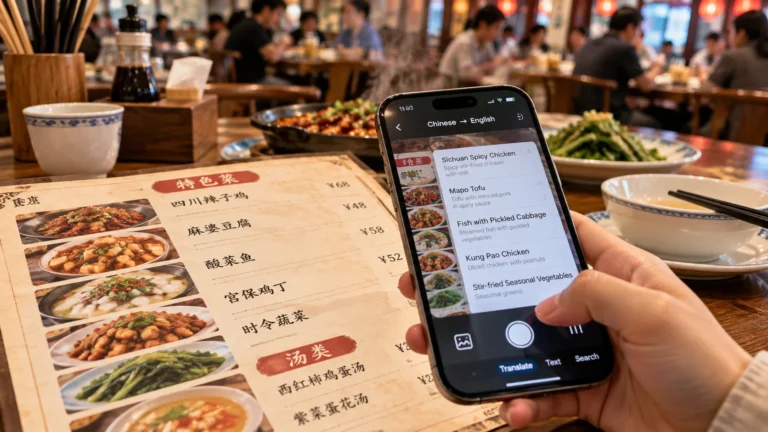
Yes, but prepare a little. In big international cities such as Beijing, Shanghai, Xi’an, and Chengdu, hotels, the high-speed rail network, and major attractions have at least some English, and many younger locals in these cities can help you in basic English. Still, do not expect much beyond that. On a normal street, taxi drivers, food vendors, and shop owners often speak none at all. This is not a reason to skip China. It just means you should rely on tools rather than luck. Download a translation app with an offline Chinese pack before you arrive, and add a real-time translator such as Doubao, which handles spoken Chinese surprisingly well. Save the Chinese name and address of every hotel and restaurant on your phone, because a screenshot is usually enough to get a taxi driver to the right door. Our guide to the apps to install before you land walks through the best options. And if the language barrier is your single biggest worry, a small-group tour with a local guide removes it completely. That is exactly what many first-time visitors choose.
How do I order food or take a taxi if I cannot read Chinese?
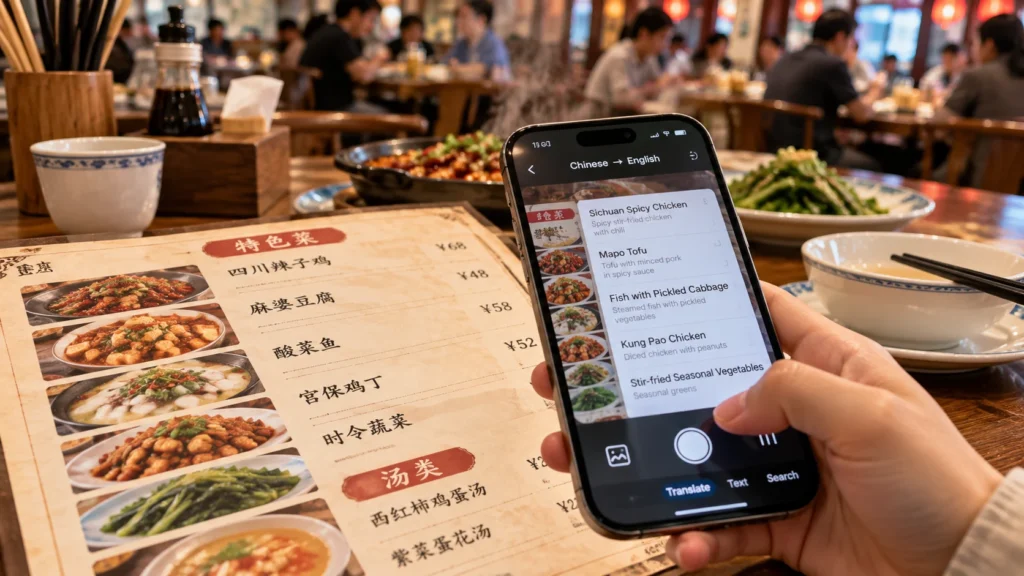
Pointing is a perfectly legitimate strategy. Look at what other tables are eating and gesture at the dish, or use a translation app to scan the menu with your camera. For taxis, use the DiDi ride-hailing app, which has an English mode and lets you set your destination without any conversation. Show a Chinese screenshot of your destination to a regular taxi driver if needed. For dishes, our practical food guide explains what to order and how. Download everything at home, verify your accounts work, and the language barrier shrinks to a minor inconvenience.
Money: Costs, Cash, and Paying
How much does a trip to China actually cost?
China is one of the best-value major destinations in 2026, and the real surprise for most visitors is how far their money goes. Day-to-day life here is far cheaper than in Western Europe, Japan, or North America. Here is a rough daily budget per person, excluding international flights:
| Travel style | Per day | What it gets you |
|---|---|---|
| Budget | $40 to $70 | Hostel or budget hotel, street food, metro, shared dorms |
| Mid-range | $80 to $150 | Comfortable hotel, mix of restaurants, taxis, some tours |
| Premium | $200 and up | Boutique hotels, private guides, business-class trains |
A bowl of noodles often costs $2 to $4, a metro ride is under $1, and a 1,300-kilometer high-speed train ticket between Shanghai and Beijing starts around $80. The main costs you control are hotels, long-distance transport, and organized experiences. As a benchmark, overseas visitors spent 263.6 billion yuan in China in the first seven months of 2026. That is up 27.8 percent year on year, according to Ministry of Commerce figures reported by Xinhua. Part of the appeal is that shopping and daily life here feel so affordable.
Do I need to carry cash, and how much?
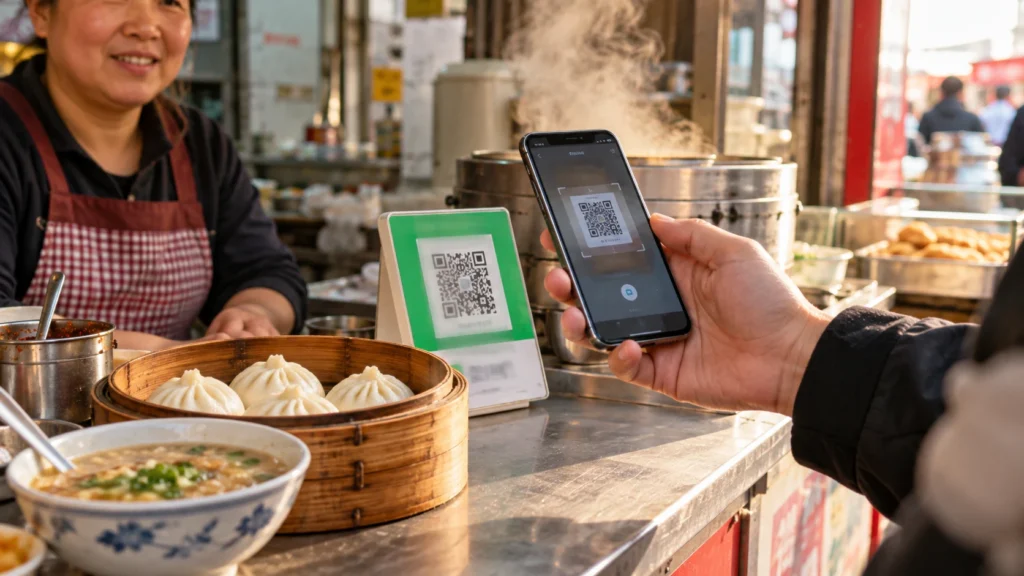
China is almost entirely cashless, but you should still bring a small backup. Around 1,000 to 2,000 yuan, roughly $140 to $280, is plenty for a one-week trip. Keep it for tiny rural vendors, market stalls, or the rare moment your phone fails. The daily system you will actually use is mobile payment, so set that up before you fly rather than relying on cash. Our complete setup walkthrough, including foreign card limits and the transaction-fee threshold, is in our guide on how to pay in China as a foreigner.
Can I use Apple Pay, Google Pay, or my credit card?
Apple Pay works in some places, mostly at modern chain stores and metro gates that accept contactless UnionPay, but it is not dependable. Google Pay does not work in mainland China. International Visa and Mastercard cards work at international hotels, airports, and upscale malls. Yet most local restaurants, taxis, and street vendors cannot take them. Mobile payment is the real default, so treat your physical card as a backup for hotels and emergencies rather than your main spending tool. Link your foreign card to Alipay or WeChat Pay in advance, and you will pay everywhere with a simple QR code.
Food and Water: Eating Safely
Is the tap water safe to drink?
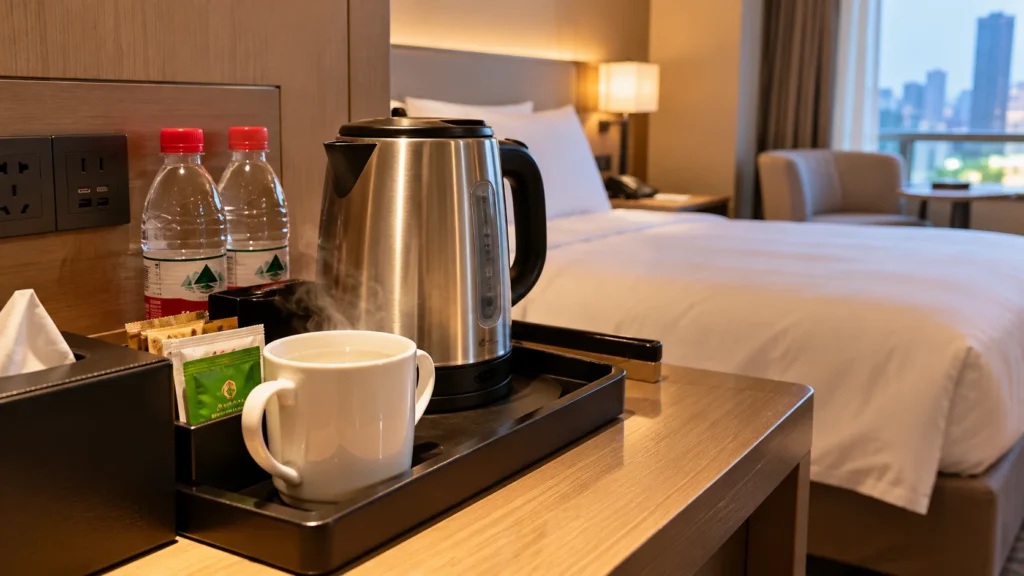
No, do not drink it. Tap water in mainland China is not safe to drink straight, and that includes brushing your teeth in budget hotels. The good news is that this is an easy problem to solve. Drink bottled water with an intact seal, which costs only a few yuan everywhere, or boil water using the electric kettle found in nearly every hotel room. Hotels hand out free bottled water generously. Here is a fun chance to try a real local habit: Chinese people drink hot or warm water all day, even in summer, and it is one of the small daily rituals that makes life here feel different. Boil your kettle, pour a cup, and drink it the local way.
Will street food make me sick?
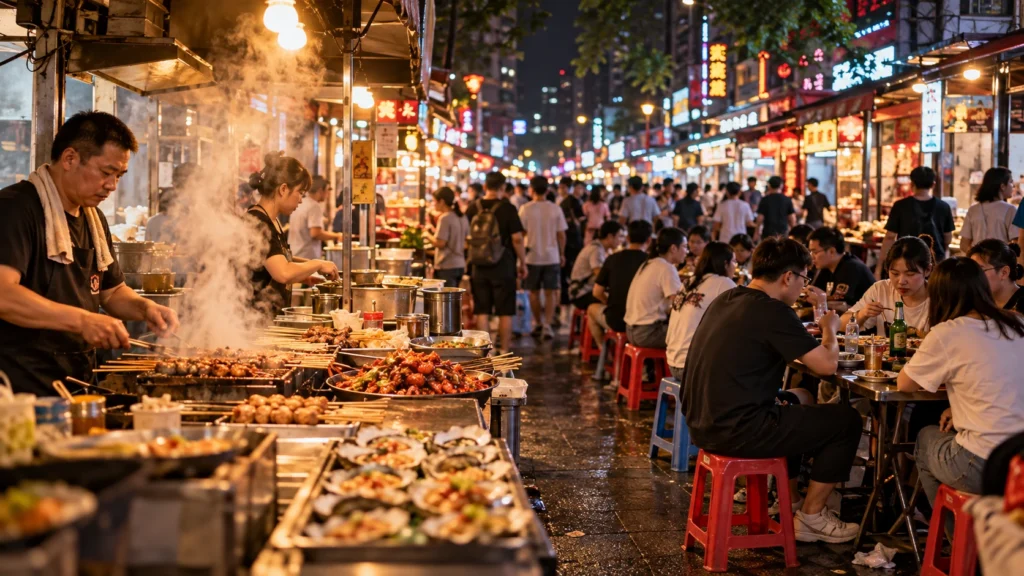
Rarely, if you follow one simple rule: eat where the locals eat, and eat it hot. Street food is one of the genuine highlights of China, and the vast majority of travelers eat it without any problems at all. Freshly cooked food from a busy stall with high turnover is extremely safe. The heat and the constant flow of customers keep ingredients fresh. The things to avoid are lukewarm dishes sitting in the sun, raw vegetables from a street stall, and any vendor with no customers at peak hour. One honest note: if you are not used to spicy or heavily oiled food, your stomach may need a day or two to adjust, and you might get mild loose stools at first. This is usually nothing serious and passes quickly, so ease in rather than eating the hottest dish on day one. If you want to dive into regional food without guessing, our practical food guide for travelers covers five flavor regions and how to order.
What if I do not eat spicy food, I am vegetarian, or I have an allergy?
You can still eat extremely well. Chinese cuisine is huge, and not every region is spicy. Cantonese food from Guangzhou is mild and fresh, Shanghai food leans sweet and savory, and northern noodle dishes are usually gentle on heat. Vegetarians should look for Buddhist temple restaurants, which serve impressive all-vegetarian menus, and use a translation card to say you do not eat meat or fish. If you have a serious allergy, prepare a printed card in Chinese that names the exact ingredient, because allergy awareness is not common among waiting staff. Show the card before ordering rather than trying to explain it verbally.
Bathrooms and Daily Realities
Are the toilets really squat toilets with no paper?
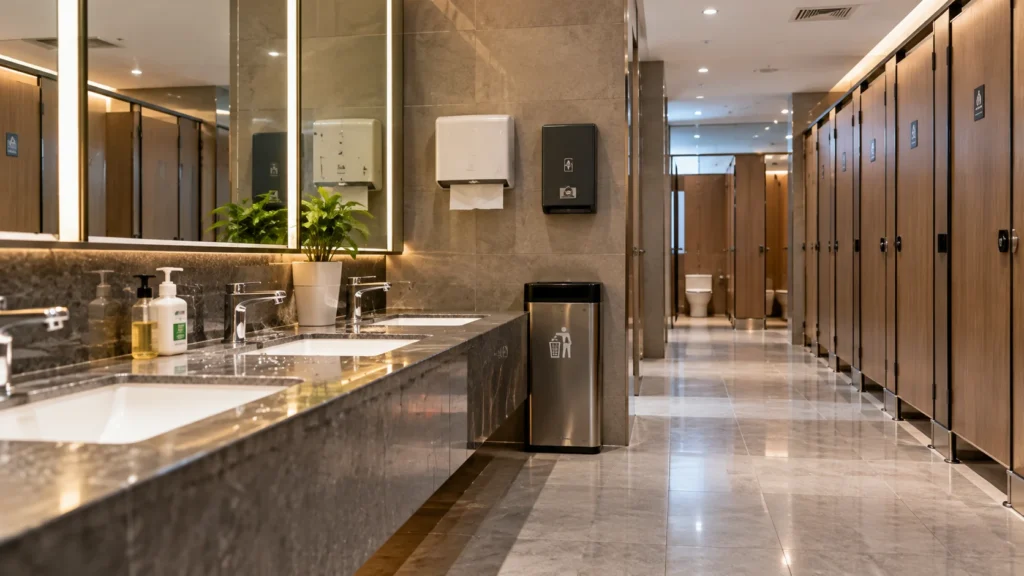
This is the number-one question travelers are too shy to ask, so here is the honest answer: it depends a lot on the city. In a modern city like Shanghai, most toilets you meet, from malls to cafes to museums, are sit-down Western style, and many of them do provide paper. In many other cities and in older or rural places, squat toilets are far more common, and paper and soap are often missing. The country is modernizing fast, so the ratio keeps shifting toward sit-down toilets with paper, but you cannot count on it at every metro station or small restaurant. The fix costs two dollars and saves a lot of stress. Carry a small pack of tissues and a bottle of hand sanitizer in your day bag from day one. Also note that public toilet paper often goes into a bin beside the bowl rather than into the toilet. Once you are prepared, this stops being an issue within a day.
Culture, Etiquette, and Avoiding Awkward Moments
What cultural taboos should I know about?
A little awareness prevents almost every awkward moment. These are the main ones worth remembering:
- Chopsticks: never stick them upright in a bowl of rice, because that resembles funeral incense. Rest them across the bowl or on the holder instead.
- Body language: do not point at people with a single finger, and avoid losing your temper or shouting in public, because a loud argument makes everyone lose face.
- Gifts and numbers: clocks are a bad present, because the phrase for gifting a clock sounds like attending a funeral, and the number four is avoided because it sounds like the word for death.
- Conversation: political topics such as the government, Taiwan, Tibet, and Xinjiang are best left out of casual small talk.
None of this means China is a minefield. Most locals are forgiving of foreign visitors, and a warm smile and a quick “nihao” carry you a very long way.
Am I expected to tip?
No, tipping is not part of normal life in China, and offering money can sometimes cause confusion. Restaurants either add no service charge or include it automatically. Taxi drivers do not expect a tip, and hotel staff will often chase you down to hand back extra cash. The only narrow exceptions are a bellhop at a five-star international hotel, where ten to twenty yuan is appreciated, or a private full-day guide. For an excellent day with a guide, around 100 to 200 yuan is a kind thank-you. For everything else, keep your money and spend it on more street food.

Why do people stare or ask to take a photo with me?
In smaller cities or rural areas, locals may look at you with open curiosity, and families sometimes ask for a selfie with a foreign visitor. This is almost always friendly and harmless, not hostile. In parts of China that see few international tourists, a foreign face is simply interesting. Many people, especially older generations and children, have rarely met someone from abroad. A smile and a nod work whether you accept the photo or politely decline. If staring ever feels uncomfortable, sunglasses and a confident stride give you privacy. Treat these moments as the cultural exchange they usually are, and they often become your favorite memories.
Safety and Emergencies
Is China actually safe, especially at night?
Yes. China consistently ranks among the safest major countries for travelers, including for solo travelers and women walking alone after dark. Violent crime against tourists is rare, the streets stay busy late into the evening, and surveillance cameras are widespread in cities. The realistic risks are petty rather than violent. Think tourist-menu overcharging, unlicensed taxi touts at airports, and occasional pickpocketing in very crowded markets. For a full, honest picture including scams and how to handle them, read our local guide on whether China is safe for tourists. The short version is that common sense will keep you safe here just as it would anywhere else.
What should I do if I lose my passport?
Do not panic, because there is a clear process. First, file a police report at the nearest police station, since you will need the report number. Second, contact your embassy or consulate in China to arrange an emergency travel document, which usually takes one to five business days. Third, once you have the new document, visit the local Public Security Bureau exit-entry office to sort out your visa status so you can leave the country legally. To make all of this painless, prevent the problem in advance. Keep a photocopy and a cloud-stored photo of your passport data page separate from the original. Use the hotel safe, and carry the passport only when you genuinely need it for check-in, train boarding, or attraction entry.
Planning: Timing, Tickets, and Itineraries
How many days do I need for a first trip, and how many cities?
Ten days is the comfortable minimum, and fourteen to twenty-one days is even better if you can spare it. The most common first-time mistake is trying to see six cities in nine days, because China is enormous and the distances are real. Beijing to Xi’an is a five-hour train ride, not a quick hop, and each major city deserves at least two full days. Choose two or three connected cities and go deeper rather than rushing between five. Travelers who slow down consistently enjoy their trips far more. We break down the classic routing traps in our article on four common China itinerary mistakes.

Do I need to book major attractions in advance?
Yes, several of the biggest sights sell out or require online booking, and simply showing up can mean you do not get in. The Forbidden City in Beijing is the classic example. It uses timed entry with a strict daily cap. Tickets go on sale seven days ahead through its official WeChat mini-program, and slots vanish fast in peak season. Other major museums, the Mogao Caves, and some national parks use similar systems with passport registration. Rule of thumb: check the booking requirement for every headline attraction at least a week before you arrive, and do not assume you can buy a paper ticket at the gate. A guide or small-group operator will handle this for you, which is one of the most valuable things they do.
Why does everyone say to avoid Chinese New Year and Golden Week?
Because the entire country travels at the same time. During the October Golden Week and the Spring Festival in late January or mid-February, trains sell out weeks ahead. Hotel prices can double or triple, and top attractions hit their daily caps by mid-morning. China is fascinating during a festival, but visiting at the exact peak can feel crowded and expensive. If your dates are flexible, shift your trip by even one week to either side and you will save money and see far more. To match your dates to weather, crowds, and festivals, use our month-by-month guide to the best time to visit China.
Can I visit Hong Kong or Tibet on the same trip?
Hong Kong is easy to add, while Tibet needs advance planning. Hong Kong has its own immigration rules. It grants most Western passport holders around ninety days visa-free. You can exit mainland China, visit Hong Kong, and re-enter on a valid multiple-entry visa or an eligible transit program. Tibet is different. Even with a Chinese visa, you must arrange a Tibet Travel Permit through a registered travel agency. Allow fifteen to twenty days for it to clear. You then travel with an organized group and guide, because independent travel is not permitted. Plan Tibet early, but treat Hong Kong as a simple add-on.
Hotels, Shopping, and Guided Travel
Can a foreigner stay at any hotel?
No, and this catches travelers out. Not every hotel in China is licensed to register foreign guests. Some smaller guesthouses cannot check in a foreign passport, even if an online booking site lists the room. Always book through a major platform such as Booking.com or Trip.com. Filter for places with recent reviews from international travelers, and confirm the property accepts foreigners before you rely on the booking. Every hotel that takes you will also scan your passport at check-in, which is a normal legal registration and not a sign of suspicion. Our full explanation and booking checklist is in our guide to which hotels accept foreigners in China.
I want to shop. How does the tax refund work?
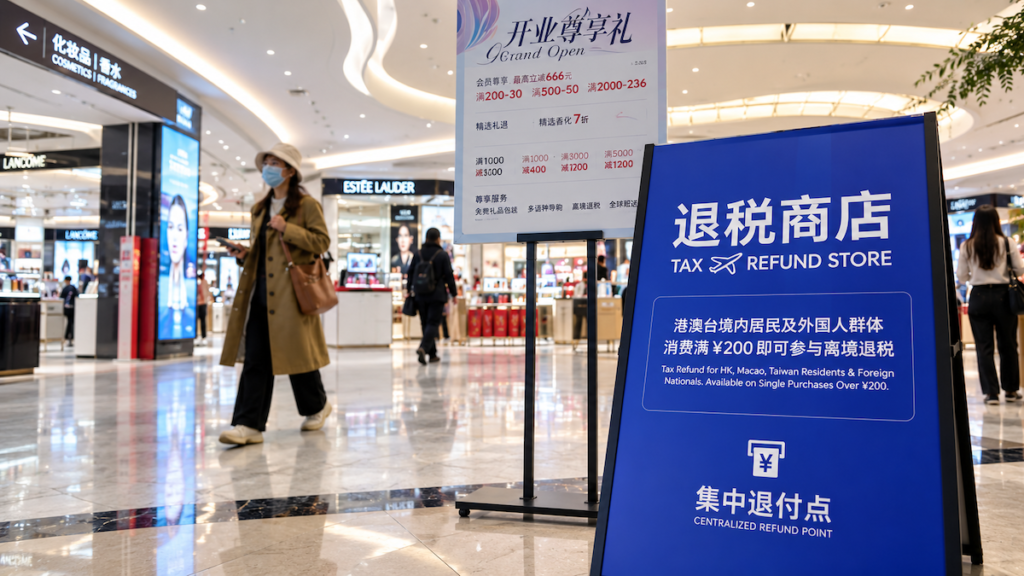
China offers a value-added tax refund of up to around nine percent for departing tourists, and shopping has become a genuine reason to visit. Shop at stores displaying an official tax-free sign, spend at least 200 yuan in one store on the same day, and ask the staff to prepare your refund form. You can often claim the refund instantly at a downtown refund point rather than queuing at the airport, and customs checks your goods when you leave. For the full process, store lists, and common mistakes, read our 2026 tax-free shopping guide. Travelers are increasingly arriving with empty suitcases, so this is more relevant than it used to be.
Can I enjoy experiences like Chinese medicine, tea houses, or hanfu without the language?
Absolutely, and these are exactly the moments that make a trip memorable. You can book an authentic traditional Chinese medicine acupuncture and cupping session in Shanghai at a working clinic that already hosts foreign guests. You can sit in an old neighborhood tea house simply by pointing at a pot. Or you can dress in hanfu for a photo walk in cities like Xi’an and Suzhou. Many of the most local experiences now welcome international visitors, and our complete hanfu experience guide covers the best cities, prices, and photo spots. You do not need fluent Mandarin to take part; you only need to know where to go.
Should I travel independently or with a local guide?
It depends on what you want. Independent travel in China is entirely possible and very rewarding. Once your apps, payments, and tickets are set up, confident travelers love the freedom of figuring it out. That said, China rewards local knowledge in ways most countries do not. Ticket systems are often Chinese-only, menus have no English, and the most authentic neighborhoods are not on tourist maps. A small-group tour or a local guide does not insulate you from China; it gets you deeper into it, from hidden food streets to family-run tea houses. If you want the local depth without the logistical stress, take a look at the small-group trips we run, which is precisely the kind of experience we design.
Still Have a Question?
The honest truth is that most of the fear around China travel comes from unfamiliar systems rather than any real danger. Prepare the basics at home, approach the differences with curiosity, and the country feels remarkably easy to move through. Before you board the plane, make sure you have done these five things:
- Set up Alipay or WeChat Pay with your foreign card and verify your identity.
- Install a VPN or buy a roaming eSIM so your usual apps keep working.
- Download offline maps and a translator with a Chinese language pack.
- Pack tissues, hand sanitizer, and one universal plug adapter.
- Book every timed attraction, such as the Forbidden City, at least a week ahead.
The travelers who enjoy China most are not the ones who planned every minute; they are the ones who prepared the basics and then left room to wander.
Want a lighter read first? Our list of 10 things I wish I knew before traveling to China makes a good companion to this page.
If you still have a question we did not answer, contact us. You can also ask us to build an itinerary that gets you off the tourist trail. Just tell us what you are worried about. We will give you a straight answer, and we can build a trip around the everyday China you actually want to see.